Understanding Material Consistency and Texture
When selecting tying materials, the most critical factor is consistency. High-quality dubbing, for instance, should have a uniform fiber length and a predictable loft. If you are tying delicate nymphs, you want materials that can be blended smoothly without clumping. Conversely, if you are building a high-visibility dry fly, you should look for materials with a natural sheen or specific structural properties that trap air to maintain buoyancy. Pay close attention to the 'feel' of the fibers. Premium materials will not shed excessively during the tying process, which prevents waste and ensures the fly remains structurally sound under tension.
Matching Material to Target Species and Water Conditions
Your choice of materials must be dictated by your specific fishing environment. If you are targeting trout in high-velocity mountain streams, you need materials that offer weight and stability, such as dense tungsten beads or heavy-duty thread that can withstand the drag of fast water. If you are fishing slow-moving rivers or ponds, you might prioritize subtle, flowing materials like fine hackle or soft deer hair that move naturally with the current. A common mistake is using overly heavy materials for delicate presentations, which can spook fish in clear water. Always match the density and profile of your materials to the specific life stage of the insect or baitfish you are imitating.
Durability and Hook Integrity
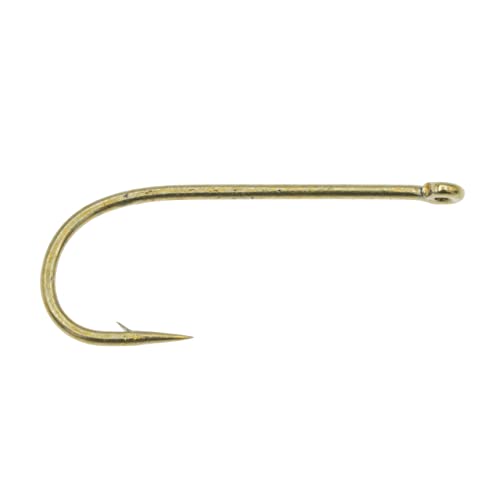
A fly is only as good as its ability to hold a fish. When selecting hooks and hardware, look for materials that balance sharpness with strength. A high-quality hook should feature a chemically sharpened point that stays lethal even after several strikes. Furthermore, consider the coating on your materials. Specialized filaments and threads should be resistant to fraying and rot, especially if you are fishing in brackish or salt-influenced waters. The integrity of the connection between the hook eye and the thread is paramount—ensure your thread weight is appropriate for the hook size to prevent breakage during a fight.
Color Fidelity and Natural Mimicry
In the world of fly tying, color is a functional tool, not just a decorative one. When choosing synthetic materials or dyed natural fibers, look for colors that hold their pigment well and do not bleed when wet. The goal is to achieve a lifelike appearance that survives the transition from the vise to the water. Many successful tiers prefer materials that offer a slight translucency, as this allows light to pass through the fly, mimicking the organic look of a real insect. When building a pattern, prioritize materials that can be layered to create depth and dimension, rather than flat, monochromatic colors that look artificial under a magnifying lens.
Economic Efficiency and Longevity
While it is tempting to buy the largest quantities of a specific color or fiber, smart tying involves strategic purchasing. Focus on versatile materials that can be used across multiple patterns—such as high-quality peacock herl or standard sizes of chenille. Investing in premium-grade materials may have a higher upfront cost, but the longevity of the fibers and the reduced rate of failure in the field often make them more cost-effective in the long run. A single high-quality spool of thread or a pack of premium hooks will serve you through hundreds of flies, whereas cheaper alternatives often fail prematurely, wasting both time and money.