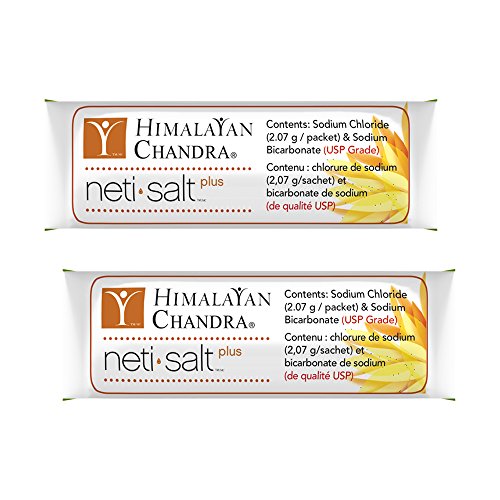
The first step in selecting a sachet medicine is identifying the physical state of the active ingredient. Sachet medicines generally fall into three categories: dry powders, granules, and liquid concentrates. Dry powders are often used for oral rehydration salts (ORS) or certain antibiotics, where the stability of the medicine relies on remaining in a dehydrated state until the moment of consumption. Granules are typically larger and may dissolve more slowly, which can be beneficial for sustained-release effects. Liquid sachets, often used for concentrated syrups or specialized nutritional supplements, offer the highest level of immediate bioavailability but require careful storage to prevent leakage or degradation. Match the format to your specific need: if you need immediate hydration, a fine powder that dissolves instantly is superior to a gritty granule.
Evaluate Solubility and Palatability
One of the most overlooked factors in sachet medicine is how the product interacts with water. A high-quality sachet should achieve complete solubility without leaving significant sediment at the bottom of the glass. Residual grit not only affects the accuracy of the dose but can also lead to a poor patient experience, especially in pediatric or geriatric care. Furthermore, because many sachet medicines (such as antacids or electrolyte solutions) can have a strong medicinal or salty taste, palatability is a key decision factor. Look for formulations that include flavoring agents that mask bitterness without adding excessive sugar, which is vital for diabetic patients or those on strict dietary regimens.
Dosage Precision and Portability
The primary advantage of the sachet format is the pre-measured dose, which eliminates the guesswork associated with measuring liquid medicines with a spoon. However, not all sachets are created equal. When reviewing options, check the 'tear-ability' of the packaging. A sachet that is difficult to open without scissors defeats the purpose of its intended portability. Additionally, ensure the dosage instructions are clearly printed on the individual unit rather than just the outer box. For travelers or those on the go, single-use, airtight sachets are essential to prevent moisture from compromising the active ingredients through humidity exposure.
Consider the Active Ingredient Concentration
When comparing two different sachet products, do not be misled by the volume of the powder. A larger sachet may simply contain more excipients (inactive fillers) rather than more medicine. Always look at the concentration of the active ingredient per sachet. For example, in electrolyte replacement, the ratio of sodium to glucose is more important than the total weight of the packet. In pain relief or anti-inflammatory sachets, ensure the milligram count per dose aligns with your healthcare provider's recommendations. Always prioritize products that offer a clear breakdown of ingredients to avoid accidental double-dosing of certain components like sodium or potassium.
Storage and Shelf Life Stability
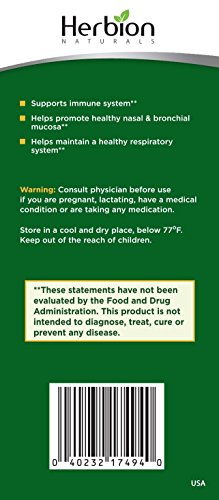
Because sachet medicines are often used to treat acute symptoms (like sudden dehydration or digestive distress), they must be ready to use when needed. Check the shelf life and the storage requirements. Some powder sachets are highly sensitive to moisture and must be kept in a cool, dry place to prevent clumping. If you are purchasing for long-term emergency preparedness, opt for brands that utilize multi-layer foil packaging, as this provides a superior barrier against oxygen and light compared to simple plastic films.