Understand the Core Types: Handheld vs. Stand Mixers
The first decision in your journey is determining the form factor. Handheld mixers are compact, lightweight, and ideal for small tasks like whipping cream, mixing light cake batters, or beating eggs. They are perfect for kitchens with limited storage, but they lack the power and stability required for heavy-duty tasks. On the other hand, stand mixers are the workhorses of the kitchen. They sit stationary on your countertop, allowing you to walk away while the machine does the heavy lifting. Stand mixers are essential if you plan on making yeast breads, large batches of cookie dough, or voluminous frostings. If you intend to bake frequently, the investment in a stand mixer is almost always worth the extra counter space.
Motor Power and Torque
When evaluating a mixer, do not be fooled solely by wattage. While higher wattage often indicates a more powerful motor, what truly matters is torque—the rotational force that allows the mixer to maintain speed under load. A mixer with a high-wattage motor but poor gear design will stall when you attempt to knead a thick sourdough. For heavy bread doughs, look for models specifically marketed as having high-torque motors or robust gear systems. For light whipping tasks, a lower-wattage motor is sufficient, but for any serious baking, aim for a machine that can maintain a consistent RPM even when the bowl is full of dense ingredients.
Bowl Capacity and Material
i
Attachment Versatility and Functionality
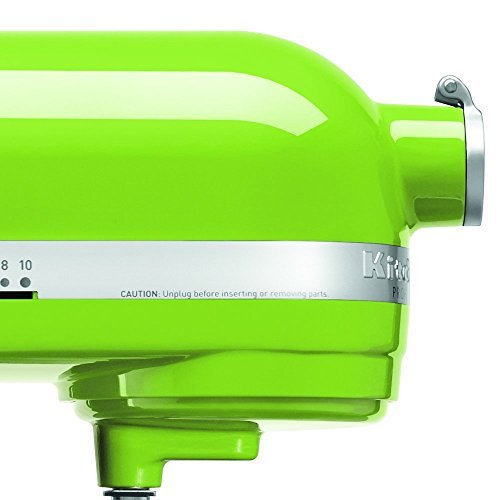
A mixer is only as useful as the tools it comes with. Most standard mixers include a wire whisk for aeration, a flat beater for general mixing, and a dough hook for kneading. However, high-end models often offer additional attachments like pasta rollers, meat grinders, or vegetable slicers that connect to the power hub on the front of the machine. When shopping, check if the attachments are made of heavy-duty stainless steel or if they are coated aluminum. Stainless steel is preferable as it is more durable, dishwasher safe, and won't react with acidic ingredients. Additionally, consider the bowl material. Stainless steel is the industry standard for durability and hygiene, while glass bowls offer excellent visibility but are much heavier and prone to breakage.
Stability and Build Quality
A common complaint with entry-level mixers is 'walking'—where the machine vibrates across the countertop during high-speed operation. This is a sign of poor weight distribution and insufficient stability. A quality mixer should have a heavy base and a sturdy construction that keeps it planted during intense mixing cycles. Look for metal-to-metal gear construction rather than plastic gears. Plastic gears are quieter but will eventually strip or melt under the heat and pressure of heavy doughs. Investing in a machine with a metal chassis and high-quality internal components ensures that your mixer remains a staple in your kitchen for decades rather than a temporary solution.