Understanding Exhaust Flow and Backpressure
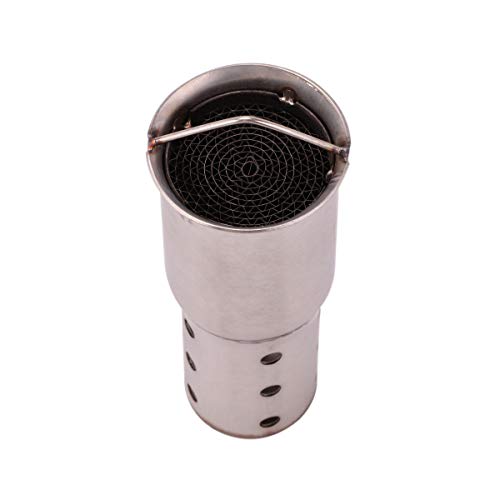
The most significant technical factor in selecting a muffler is the relationship between sound reduction and exhaust flow. Mufflers work by creating chambers and baffles that disrupt sound waves, but these same structures create resistance, known as backpressure. If you choose a muffler with too many restrictive baffles, you may notice a significant drop in engine responsiveness, particularly in low-RPM scenarios. Conversely, 'straight-through' designs offer minimal resistance and are favored for performance tuning, but they provide significantly less sound dampening. When shopping, consider your primary goal: if you want a deep, mellow tone without sacrificing power, look for a high-flow design that utilizes perforated cores rather than a highly restrictive chambered system.
Material Composition and Durability
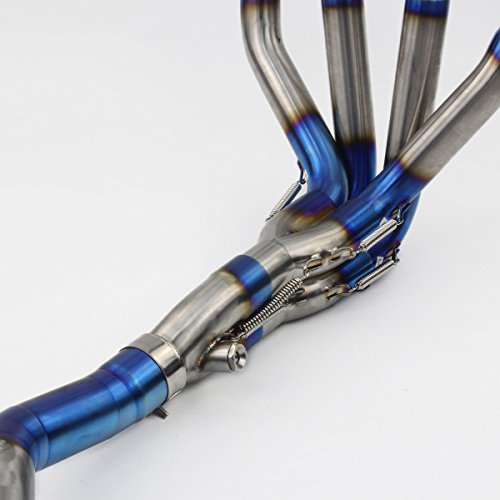
Because mufflers are subjected to extreme thermal cycling and constant exposure to moisture and road salts, the material used in construction is paramount. Standard steel mufflers are budget-friendly but are highly susceptible to rust over time, which can eventually lead to leaks or total structural failure. For a long-term investment, prioritize T304 stainless steel. This grade of stainless steel offers superior resistance to oxidation and can withstand the intense heat generated by high-performance engines. If you are looking for the absolute pinnacle of durability, some premium options utilize aluminized steel, which provides a middle ground between cost and corrosion resistance, though it will not match the longevity of high-grade stainless steel.
Acoustic Profile and Tone Management
Every driver has a different preference for how their vehicle sounds. Some prefer the aggressive, raspy growl of a performance exhaust, while others seek a subtle, sophisticated hum that stays under the cabin noise threshold. To predict the sound, look at the muffler's internal architecture. Chambered mufflers are excellent at canceling specific frequencies, making them ideal for those who want a quiet, stock-like experience. Perforated, straight-through mufflers tend to produce a more resonant, 'throaty' sound that increases in volume with engine load. Always research the specific sound profile associated with the muffler's design to avoid an outcome that is unpleasantly loud or drone-heavy during highway cruising.
Fitment and Installation Complexity
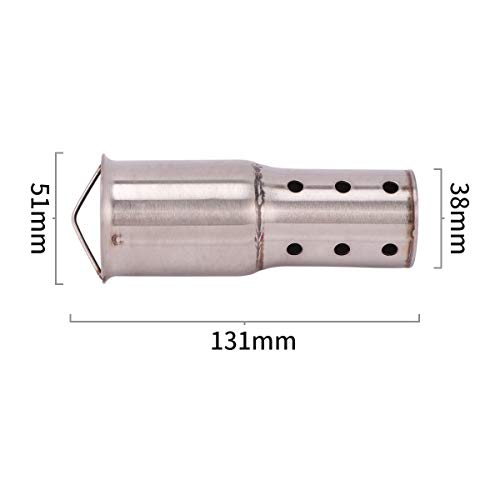
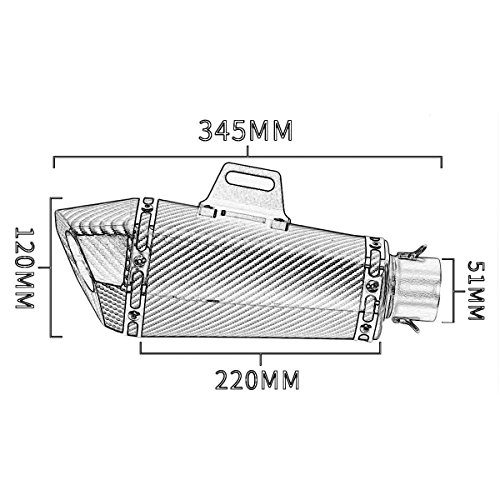
A muffler is only as good as its ability to integrate with your existing exhaust system. Before purchasing, you must verify the inlet and outlet diameters. Even a slight mismatch will require expensive adapters or custom welding, which increases the total cost of ownership. Furthermore, consider the mounting points. Some mufflers are designed for direct bolt-on installation, which is ideal for DIY enthusiasts, while others require professional fabrication to ensure the unit sits correctly within the vehicle's chassis and doesn't interfere with suspension components or heat shields. Always check the physical dimensions—length and diameter—to ensure the unit fits within the available space in your vehicle's undercarriage.