Determine Your Artistic Style and Theme
The first decision in selecting animal figurines is deciding on a cohesive visual language. Nativity sets generally fall into three stylistic categories: traditional/realistic, folk art/rustic, and whimsical/modern. If you are building a classic scene, look for figurines with realistic anatomical proportions and lifelike textures, such as faux fur or weathered wood grain. These work best in formal displays. If your home decor leans toward farmhouse or primitive styles, seek out hand-painted wooden animals or resin pieces with a matte, distressed finish. For families with young children, whimsical or stylized animals—perhaps with softer edges and brighter, more muted colors—can make the scene feel more approachable and less formal.
Evaluate Material and Weight
The material of your figurines dictates how they will age and how they can be displayed. Polyresin is a highly popular choice because it allows for intricate sculptural details, such as the texture of a sheep's wool or the grain of a stable wall. However, resin can be brittle if dropped. For a more heirloom-quality set, consider hand-carved wood or ceramic. Wood offers a timeless, organic feel that integrates beautifully with natural elements like moss and hay, but ensure the wood is treated to prevent cracking in dry winter air. Ceramic and porcelain pieces offer a high-end, elegant look but require careful handling and are best suited for stable, tabletop displays rather than high-traffic areas.
Scale and Proportionality
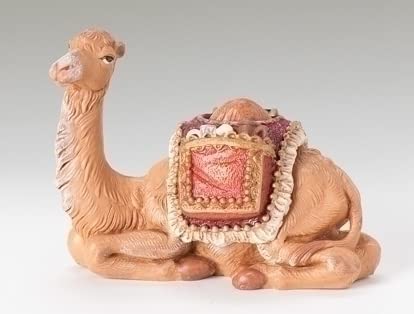
One of the most common mistakes in assembling a nativity is a mismatch in scale. If your central figures are twelve inches tall, a tiny, two-inch sheep will look out of place and diminish the impact of the scene. When purchasing animal figurines, always check the height and length measurements. A good rule of thumb is to ensure the animals are scaled proportionally to the largest human figure in your set. Additionally, consider the 'footprint' of the animals. A large camel or an ox requires significant floor or shelf space. Ensure you have enough room in your display area to accommodate the physical dimensions of the livestock without making the scene look cluttered.
Consider Color Palettes and Finishes
To achieve a professional-looking display, pay close attention to the color story. Some sets come pre-painted with vibrant, saturated colors, while others utilize monochromatic or neutral tones like cream, tan, and deep brown. Neutral-toned animals are incredibly versatile, as they allow you to change your surrounding decor (such as different colored fabrics or greenery) without the animals clashing. If you are mixing and matching from different manufacturers, look for a common thread in the finish. For example, if your manger is made of dark, reclaimed wood, look for animals with warm, earthy undertones rather than cool, stark whites.
Durability and Storage Needs
Since nativity sets are often seasonal, consider how easy the figurines will be to pack away. Small, delicate pieces with protruding ears or tails are prone to snapping during transit. If you plan to move your display frequently, look for sturdier, more solid-cast figures. Furthermore, consider the storage footprint. A collection of large, bulky animals will require significant bin space, whereas smaller, modular sets might be easier to tuck away in a seasonal storage container.