Understanding Grip Mechanisms
The most critical factor in a flat oil filter wrench is how it interfaces with the filter canister. Most high-quality flat wrenches utilize a heavy-duty jaw mechanism. Some feature serrated teeth designed to bite into the metal of the filter, which is excellent for stubborn, old filters that have become fused to the engine block. Others use a high-friction rubberized or textured contact point to prevent slipping without damaging the canister. If you frequently work on aluminum or plastic filter housings (common in many newer European vehicles), look for a wrench with adjustable pressure or specialized padding to avoid crushing the housing before you can actually rotate it.
Profile and Clearance Requirements
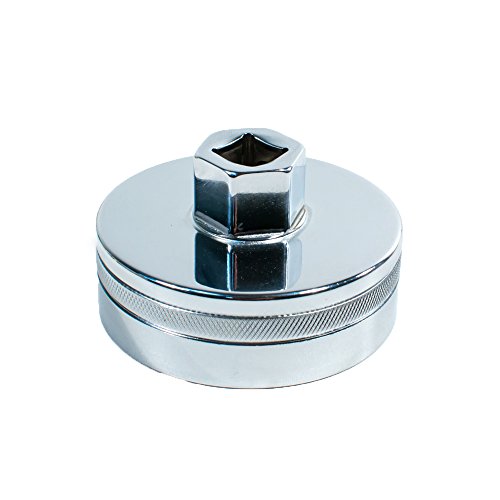
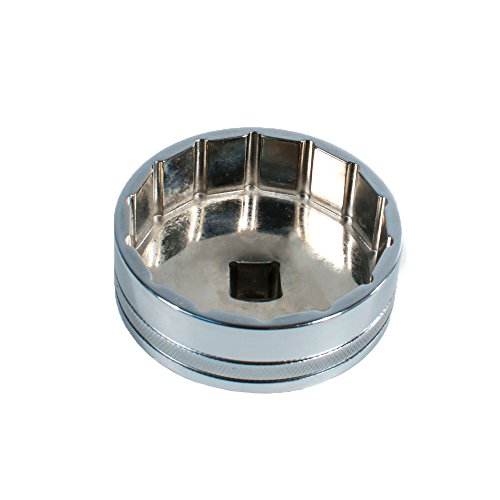
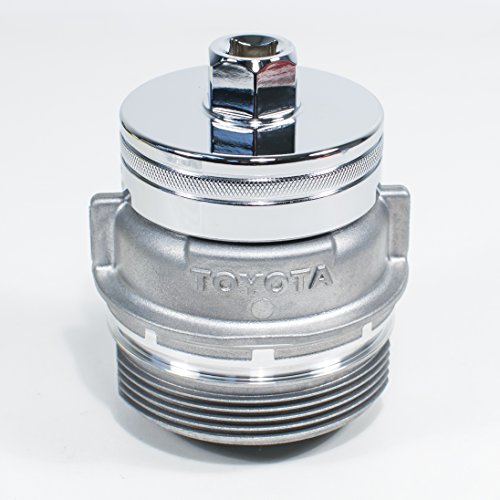
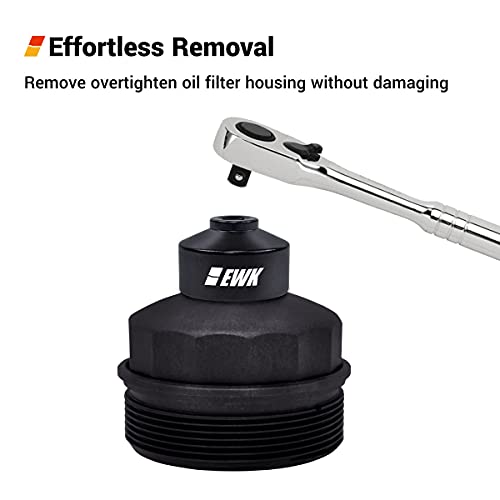
The primary reason to opt for a flat wrench over a standard band wrench is clearance. When shopping, measure the gap between your oil filter and the surrounding chassis components, frame rails, or exhaust manifolds. A 'slim-profile' wrench is designed specifically for these narrow corridors. Some models are designed to be used with a standard ratchet or a socket wrench, while others are standalone hand tools. If your workspace is extremely cramped, a wrench that allows you to attach a long-handle ratchet will provide the necessary leverage without requiring you to fit your entire hand into a small space.
Material Durability and Jaw Strength
Because oil filters can become incredibly difficult to remove due to heat cycles and debris buildup, the tool must be able to withstand significant torque. Avoid lightweight, stamped-metal tools that might flex or bend when you apply force. Instead, look for wrenches forged from high-grade chrome vanadium steel. The handles should be ergonomically designed to prevent hand fatigue, and the pivot points must be robust enough to handle the lateral pressure applied during the loosening process. A tool that flexes under load is not just ineffective. It is a safety hazard that can lead to sudden slips and hand injuries.
Adjustability and Versatility
Not all oil filters are created equal. They range from small spin-on canisters on compact cars to massive units on heavy-duty trucks. A fixed-size flat wrench is highly specialized and may only serve one vehicle in your garage. For maximum value, prioritize adjustable flat wrenches. These tools feature a sliding jaw or a geared mechanism that allows the opening to expand or contract. This versatility means a single tool can handle a wide variety of filter diameters, making it a much more cost-effective investment for a general DIY mechanic or a professional technician working on diverse fleets.
Summary Recommendation Logic
When making your final decision, follow this logic: If you work on modern cars with tight engine bays, prioritize slim-profile, adjustable claw-style wrenches. If you primarily work on older, heavy-duty vehicles with large filters, look for heavy-duty, high-torque forged steel models. Always check the jaw material. If you are prone to working on delicate housings, opt for a model with non-marring contact points to ensure you don't destroy the filter housing during the removal process.