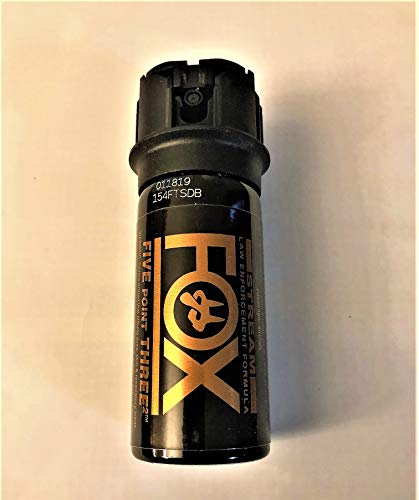
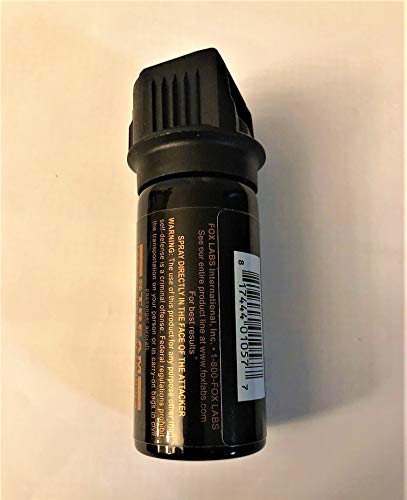
Understanding Major Capsaicin Concentration
The effectiveness of any pepper spray is primarily determined by its concentration of Major Capsaicinoids (MC). While many consumer-grade sprays use a low percentage of heat, high-performance sprays focus on the actual potency of the active ingredient. When shopping in this category, do not be misled by 'Scoville Heat Units' alone, as this measures the raw heat of the pepper rather than the concentration of the active chemical in the solution. Look for a spray that offers a balanced MC percentage. Too low, and it may fail to incapacitate an aggressor. Too high, and the solution may become unstable or prone to excessive leakage. A consistent, high-quality concentration ensures that the spray provides an immediate inflammatory response to the eyes, nose, and throat of an attacker.
Spray Pattern and Range: Stream vs. Fogger
One of the most vital decision factors is the delivery mechanism. You must decide whether a stream, a gel, or a fogger best suits your defensive strategy. A stream pattern is ideal for windy environments, as it creates a concentrated line of liquid that is less likely to blow back onto the user. It also offers better accuracy for long-range defense. Conversely, a fogger or mist pattern covers a wider area quickly, which is excellent for crowd control or if you are being approached from multiple angles, but it carries a higher risk of self-contamination in breezy conditions. If you are looking for maximum precision and distance, prioritize a high-pressure stream. If you want to create an immediate chemical barrier, a gel-based spray is a superior choice as it adheres to the target and minimizes airborne drift.
Ergonomics and Deployment Speed
In a high-stress encounter, fine motor skills deteriorate rapidly. A pepper spray that is difficult to grip or requires complex movements to unlock is a liability. Evaluate the canister's ergonomics: does it feature a textured grip for wet or sweaty hands? Is the safety mechanism intuitive? You want a design that allows for 'blind deployment'—the ability to pull the spray from a pocket or holster and activate it without needing to look at the device. Look for twist-lock mechanisms or flip-top safety caps that can be operated with a single thumb. The weight and size of the canister should also be considered. It must be substantial enough to feel reliable in your hand, yet compact enough to be carried daily without becoming a burden.
Reliability and Shelf Life
A defensive tool is useless if it fails due to a faulty nozzle or expired chemicals. Check the pressurized canister's integrity and the manufacturer's claims regarding shelf life. High-quality sprays typically come with a multi-year expiration date, but it is essential to choose a brand that uses high-grade propellants to ensure consistent pressure throughout the life of the product. Periodically inspecting your device for leaks or pressure loss is a necessary part of ownership. When selecting your spray, prioritize brands that undergo rigorous testing to ensure the spray reaches its maximum rated distance every single time the trigger is pulled.