Understanding Concentration: Eau de Parfum vs. Parfum
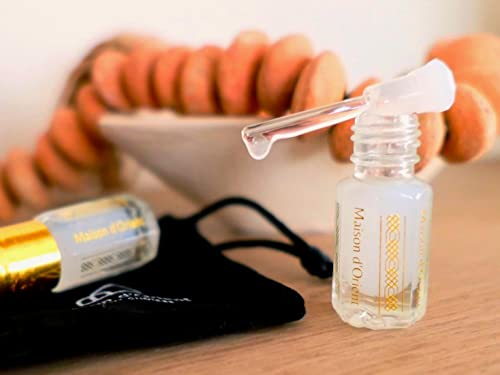
When shopping for generic fragrances, the most critical technical factor is the concentration of fragrance oils. In the generic market, terms are often used loosely, but you should specifically look for 'Parfum' or 'Extrait de Parfum' if you want maximum impact. A Parfum typically contains between 20% and 40% oil concentration, making it the most potent and long-lasting option. Because generic brands often use different solvent bases than luxury brands, a higher oil concentration helps prevent that 'alcohol blast' smell that often plagues cheaper alternatives. If you are looking for a signature scent that lasts through a full workday, prioritize these higher concentrations over Eau de Toilette options.
The Olfactory Pyramid and Scent Evolution
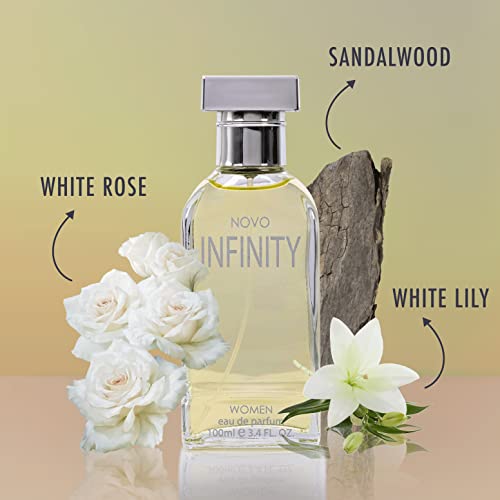
A common mistake in buying generic perfumes is judging a scent based solely on the first spray. Quality generic perfumes should follow a structured olfactory pyramid: top notes, heart notes, and base notes. The top notes (citrus, light fruits, herbs) are what you smell immediately, but they evaporate quickly. The heart notes (floral, spice, heavy fruit) emerge after 15–30 minutes, and the base notes (musk, amber, sandalwood, vanilla) provide the lasting foundation. When testing a generic perfume, wait at least an hour to see if the base notes are well-developed. A poor-quality generic will often 'flatline,' meaning the scent disappears once the top notes evaporate, leaving nothing but a chemical residue.
Identifying Synthetic vs. Natural Profiles
While all modern perfumes use synthetic molecules, there is a difference between 'clean' synthetics and 'harsh' synthetics. High-quality generic perfumes use advanced aroma chemicals that mimic natural essences smoothly. If a fragrance smells overly sharp, medicinal, or gives you a headache upon application, it likely uses low-grade synthetic fixatives. Look for descriptions that mention specific high-quality ingredients like 'Madagascar Vanilla' or 'Sicilian Bergamot,' even in generic formulations, as these often indicate a more sophisticated blending process. The goal is a seamless transition between notes rather than a jarring shift from a fruity opening to a heavy, cloying dry-down.
Sillage and Longevity: The Real Test
Sillage refers to the trail left by a perfume, while longevity refers to how long it stays on your skin. In the generic category, you will often find a trade-off: a scent may have massive sillage (it fills a room) but terrible longevity (it vanishes in two hours). For the best value, aim for a balance. A perfume with moderate sillage and high longevity is much more useful for daily wear. To test this effectively, apply the scent to a pulse point—like your wrist—and check it again at the four-hour and eight-hour marks. If the scent has transformed into a generic 'soapy' smell, it is not a high-quality dupe.
Decision Logic: How to Choose
When deciding which generic perfume to purchase, use this hierarchy of needs: First, identify the 'vibe' or scent family you desire (Oriental, Woody, Floral, or Fresh). Second, check the concentration. Always lean toward Parfum for better value. Third, read reviews specifically focusing on the 'dry-down' rather than the initial spray. If multiple users mention that the scent settles into a pleasant, warm aroma, you have likely found a winner. Avoid any product that is marketed solely on its resemblance to a famous brand without providing details on its own note composition.