Material Texture and Fabric Quality
The most immediate sensory experience of a plush figure is its 'hand-feel.' When selecting a plush, consider the type of fabric used. High-quality figures often utilize minky fabric, which is known for its ultra-soft, short pile and velvety texture. This is superior to standard felt or low-grade polyester, which can feel scratchy or stiff over time. If the plush is intended for a young child, look for 'super-soft' or 'marshmallow' designations, which usually indicate a higher density of fine fibers. Additionally, check the density of the stuffing. A premium plush should feel firm enough to hold its shape when squeezed, yet resilient enough to bounce back immediately. If a figure feels lumpy or collapses under minimal pressure, it likely uses low-grade fiberfill that will clump after a few weeks of use.
Construction and Stitch Integrity
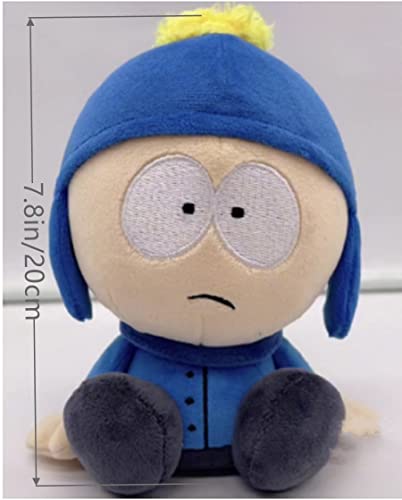
A plush figure is only as good as its seams. Because these items are meant to be hugged, squeezed, and sometimes tossed, the structural integrity of the stitching is paramount. Inspect the seams for any signs of unevenness or loose threads. In high-quality manufacturing, the seams are tucked away or sewn with a high stitch density to prevent the stuffing from leaking out. Pay close attention to the attachment points of limbs, ears, or tails. These are the primary stress points. If they are merely surface-stitched rather than reinforced, the figure will likely suffer from 'limb loss' during play. For collectors, look for embroidered facial features rather than plastic eyes. While plastic safety eyes are common, embroidery provides a more seamless, premium aesthetic and eliminates the risk of small parts detaching.
Size, Scale, and Purpose
Before purchasing, define the primary role the plush will play. Small, 'palm-sized' plushies are excellent for sensory fidgeting, keychain attachments, or desk decor. They are portable and easy to display in tight spaces. Medium-sized figures (6 to 12 inches) are the standard for gift-giving and are ideal for cuddling. Large-scale plushies serve more as room decor or 'weighted' comfort items. If you are buying for a child, consider the scale in relation to their developmental stage—a figure that is too large may be cumbersome for a toddler to carry, while one that is too small might pose a choking hazard.
Safety Standards and Longevity
Safety is non-negotiable, especially when purchasing items intended for children. Ensure the product adheres to recognized safety standards for toy manufacturing, specifically regarding flame retardancy and non-toxic dyes. Because plushies are porous, they act as dust magnets. Therefore, consider the ease of cleaning. A figure that is machine-washable is a significant advantage for households with young children, whereas delicate, boutique-style plushies may require gentle spot-cleaning only. For long-term collectors, look for 'limited edition' or 'artist-designed' markers, which often signify higher-grade materials that resist fading and structural degradation over many years.