Understanding Yield and Capacity
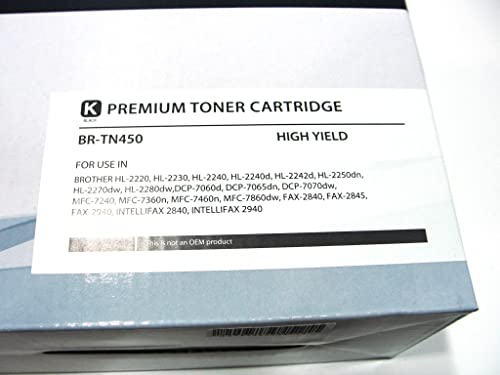
The most significant factor in determining the long-term value of a generic cartridge is its page yield. Manufacturers often advertise 'high capacity' or 'extra high yield' versions of cartridges. When comparing generic options, look closely at the estimated page count provided by the manufacturer. It is important to note that generic brands may sometimes overestimate these numbers to appear more competitive. A smart way to verify value is to calculate the cost-per-page: divide the price of the cartridge by its estimated page yield. A slightly more expensive cartridge with a significantly higher page count is almost always the more economical choice in the long run.
The Critical Role of the Smart Chip
Modern laser printers are equipped with sophisticated internal sensors that communicate with the cartridge via a small electronic chip. This chip tells the printer the toner level and verifies that the cartridge is 'authorized.' When shopping for generic toners, you must ensure the product explicitly states it includes a 'new, updated chip.' Some budget-friendly generic options ship without a chip, requiring you to manually transfer the chip from your old, empty cartridge to the new one. While this can save a few dollars, it is a tedious process that increases the risk of damaging the delicate electronics. For a seamless experience, prioritize cartridges that are truly 'plug-and-play.'
Print Quality and Toner Consistency
The primary risk of switching to generic brands is a decline in print density and sharpness. Low-quality generic toners often use coarser powder particles that can lead to 'toner scatter' or gray backgrounds on white pages. To ensure professional results, look for reviews that specifically mention text clarity and grayscale transitions. If your printing involves heavy graphics or presentations, prioritize brands that specialize in high-precision toner formulations. For standard text documents, most reputable generic brands will perform indistinguishably from original supplies, but for high-resolution imagery, the quality of the toner powder itself becomes the deciding factor.
Compatibility and Hardware Safety
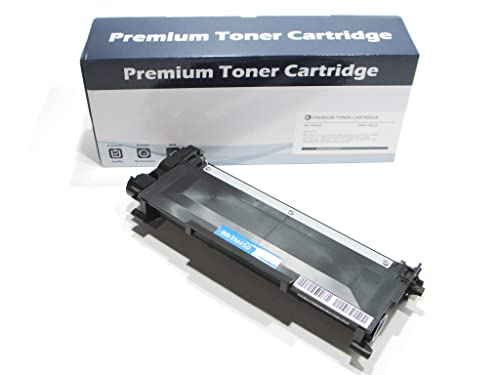
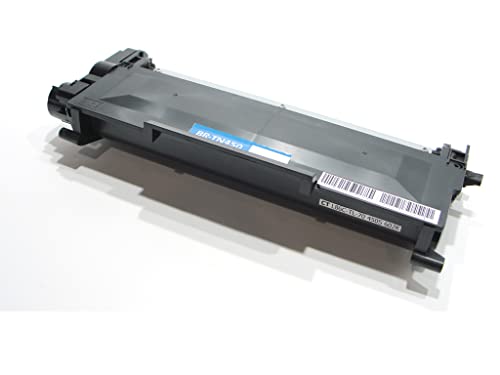
While most generic cartridges are designed to be direct replacements, there is a distinction between 'compatible' and 'remanufactured' products. Compatible cartridges are newly manufactured to mimic the original design, whereas remanufactured cartridges are recycled shells that have been refilled. Compatible cartridges are generally more reliable as they undergo a fresh quality control process. Furthermore, ensure the cartridge is specifically rated for your printer's series. Even a slight variation in the internal drum or roller assembly can cause paper jams or uneven distribution. Always check that the product description confirms compatibility with your specific printer generation to avoid the headache of returns.
Environmental Impact and Longevity
If sustainability is a priority, consider the lifecycle of the cartridge. Many generic manufacturers are leaders in the circular economy, utilizing recycled plastics for their housings. Additionally, choosing high-yield cartridges reduces the frequency of replacements, which inherently lowers the amount of plastic and chemical waste generated by your office. A high-quality generic cartridge should not only save you money on the upfront purchase but should also provide a consistent, reliable service that protects the lifespan of your printer's internal components.