Material Compatibility is Paramount
The most critical decision factor is the substrate of your gutter system. Most residential gutters are constructed from aluminum, galvanized steel, or copper. If you have aluminum gutters, you must ensure your sealer is non-corrosive to that specific metal. For vinyl or PVC gutters, you need a flexible sealant that can move with the plastic without causing chemical degradation. Using a petroleum-based sealant on certain plastics can actually soften the material, leading to larger holes. Always check the labeling to ensure the product is rated for the specific metal or synthetic material you are repairing.
Flexibility and Thermal Movement
Gutters are subject to extreme temperature fluctuations. They expand in the heat of the summer and contract in the freezing winter. A rigid sealant—one that dries hard like concrete—will crack and peel within a single season as the metal shifts. When shopping, look for terms like 'high elasticity' or 'permanent flexibility.' A high-quality gutter sealer should be able to stretch and compress alongside the gutter seams without losing its bond. This elasticity is what prevents the 'micro-cracking' that typically leads to leaks in older systems.
UV Resistance and Weatherproofing
Because gutters are perpetually exposed to direct sunlight and heavy precipitation, your sealer must be UV-stable. Many cheap sealants contain ingredients that break down under ultraviolet radiation, becoming brittle and chalky over time. Look for sealants specifically formulated for 'exterior use' or 'all-weather performance.' Additionally, consider the application environment. If you live in a region with heavy snow and ice, a sealant that is rated for sub-zero temperatures and can cure in damp conditions will provide much better longevity than a standard indoor-grade caulk.
Application Method: Tube vs. Cartridge vs. Spray
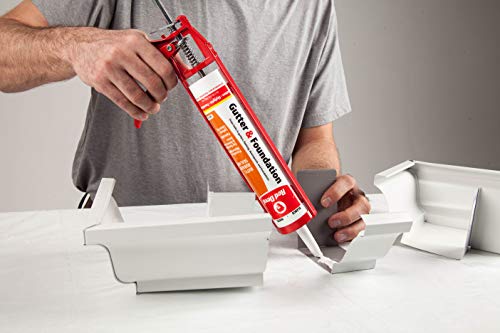
How you intend to apply the product should dictate your purchase. For large seams and structural joints, a heavy-duty caulking gun with a high-viscosity cartridge is best, as it allows for deep penetration and thick application. If you are dealing with tiny pinhole leaks or hairline cracks, a spray-on sealant can be more efficient and provide a more even coating. However, be aware that spray sealers often provide a thinner protective layer compared to the robust, thick beads created by traditional tube sealants. For most major repairs, the thick, bead-style application is the gold standard for durability.
Adhesion and Surface Preparation
A sealer is only as good as the surface it sticks to. While not a feature of the product itself, the best sealers are those that can bond to slightly imperfect surfaces after proper cleaning. When evaluating a product, look for 'high-tack' formulas. Regardless of the brand you choose, remember that the most common cause of sealer failure is failing to clean the gutter of debris, oxidation, and old, crumbling caulk before applying the new product. A professional-grade sealer will bond to a clean, dry surface to create a seamless, watertight barrier that lasts for years.