Understanding Sensor Modalities and Use Cases
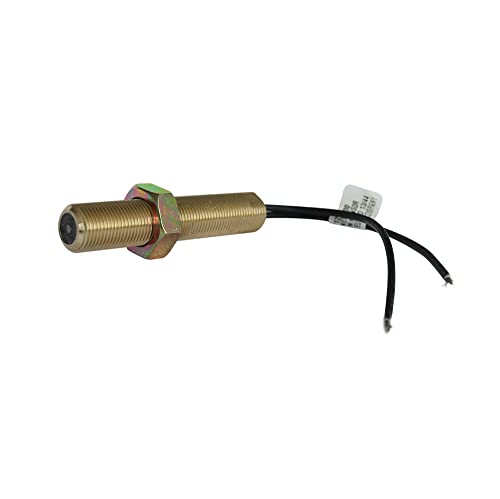
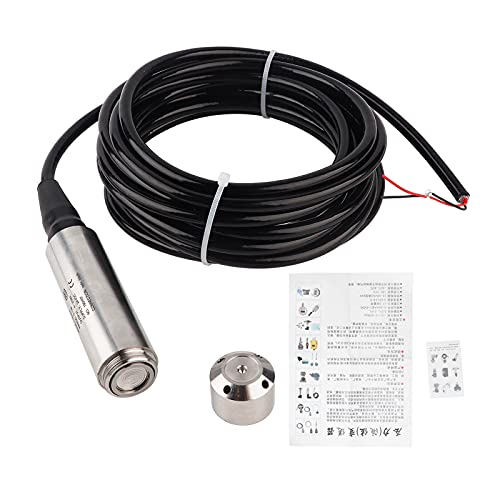
The first step in selecting a sensor is defining exactly what physical property you intend to measure. Sensors are not interchangeable. A device designed to detect motion will not provide temperature data, and a pressure sensor cannot measure light intensity. You must categorize your needs into specific modalities: environmental (temperature, humidity, atmospheric pressure), proximity (ultrasonic, infrared, capacitive), motion (accelerometers, gyroscopes, PIR), or chemical (gas, moisture, pH). Once you identify the physical phenomenon, you can narrow your search to the specific transducer technology required to convert that phenomenon into an electrical signal.
Signal Output and Interface Compatibility
One of the most common pitfalls in sensor selection is ignoring the communication protocol. Even if a sensor detects the correct metric, it is useless if your microcontroller or central hub cannot interpret the data. Most generic sensors fall into three categories of output: analog, digital, and serial communication. Analog sensors provide a varying voltage that requires an Analog-to-Digital Converter (ADC) to interpret. Digital sensors, such as those using I2C or SPI protocols, are often more robust against electrical noise and allow you to chain multiple sensors together on a single bus. If you are working with a wireless smart home ecosystem, ensure the sensor utilizes a compatible radio frequency or protocol like Zigbee or Bluetooth Low Energy (BLE) to ensure seamless integration.
Accuracy, Precision, and Resolution
In the world of sensing, these three terms are often conflated but represent very different technical requirements. Accuracy refers to how close the sensor's reading is to the true value. Precision refers to the sensor's ability to provide the same reading repeatedly under the same conditions. Resolution is the smallest change in the measured quantity that the sensor can detect. For a simple hobbyist project, such as detecting if a door is open, high precision is unnecessary. However, if you are building a climate-controlled greenhouse, you will require a sensor with high accuracy and fine resolution to prevent rapid fluctuations in humidity or temperature.
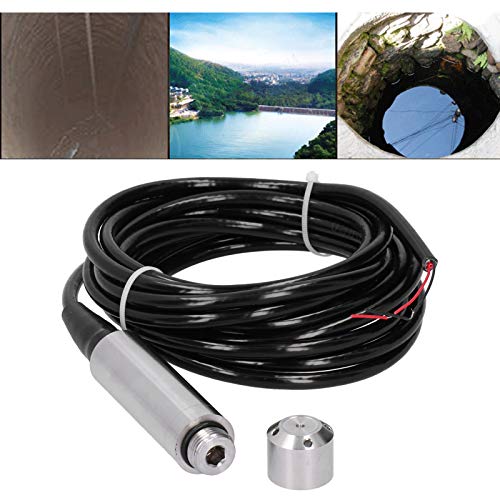
Where will the sensor live? A sensor intended for an indoor living room project does not need the same ruggedization as one intended for an outdoor weather station. Look for an Ingress Protection (IP) rating if the sensor will be exposed to dust or moisture. For industrial or outdoor applications, look for sensors encased in waterproof housings or those utilizing chemically resistant materials. Additionally, consider the physical footprint. If you are integrating a sensor into a compact wearable device, you will need a Surface Mount Device (SMD) version rather than a through-hole component that requires a larger printed circuit board.
Calibration and Stability Over Time
Generic sensors are prone to 'drift,' which is the gradual deviation of the sensor's output from the true value over time. This is often caused by component aging or environmental stress. When choosing a sensor for long-term deployment, check if it supports software-based calibration or if it comes pre-calibrated from the factory. High-quality sensors often include a compensation algorithm to account for temperature-induced errors, which is vital if you are using a sensor in an environment with wide thermal swings.