Understanding Torque and Load Capacity
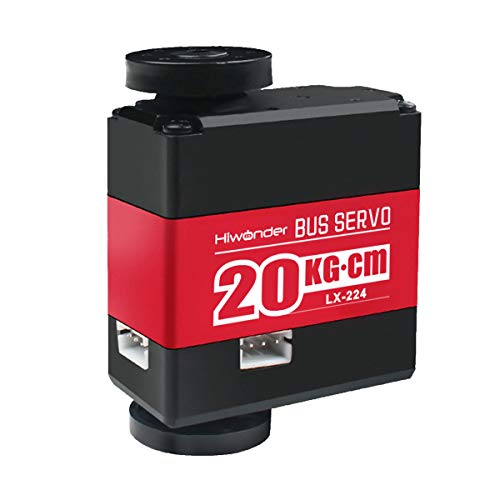
The most critical metric when selecting a Lewansoul servo is torque, usually measured in kg-cm. This value dictates how much weight the servo can move at a specific distance from its center shaft. For lightweight applications like small sensor mounts or lightweight grippers, lower torque servos are sufficient and easier on your power supply. However, if you are designing a walking robot, the servos acting as 'hips' or 'knees' must handle significant dynamic loads and the constant stress of gravity. Always calculate your expected load with a safety margin. A servo running at its maximum rated torque will overheat quickly and suffer from reduced lifespan. If your project involves high-inertia movements, look for models with higher torque ratings to ensure smooth, jitter-free motion.
Degrees of Freedom and Rotation Range
Not all servos are designed to move the same way. You must distinguish between standard position-control servos and continuous rotation servos. Standard servos are ideal for robotic limbs where you need to reach a specific angle (e.g., moving an arm to exactly 45 degrees). Continuous rotation servos, on the other hand, act more like motors where you control speed and direction rather than position, which is essential for wheels or drive trains. Additionally, pay attention to the rotation range. While 180 degrees is the industry standard for most robotic joints, some specialized models offer 270 degrees or even 360 degrees of positional control. Choosing the wrong range can limit the dexterity of your robot's design.
Communication Protocols and Control Logic
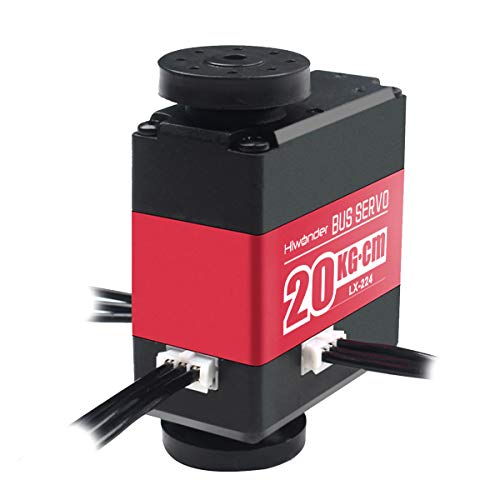
One of the standout features of this specific brand is the variety of control methods available. Some models utilize standard PWM (Pulse Width Modulation) signals, which are compatible with almost every microcontroller on the market. Others utilize serial bus communication. Serial bus servos are a massive advantage for complex robots because they allow for 'daisy-chaining.' Instead of running a separate signal wire from your controller to every single servo, you can connect them in a series. This significantly reduces wiring clutter and allows for bidirectional communication, meaning the servo can send feedback to your controller regarding its current position, temperature, and load status. This feedback loop is vital for advanced autonomous behaviors.
Build Material and Durability
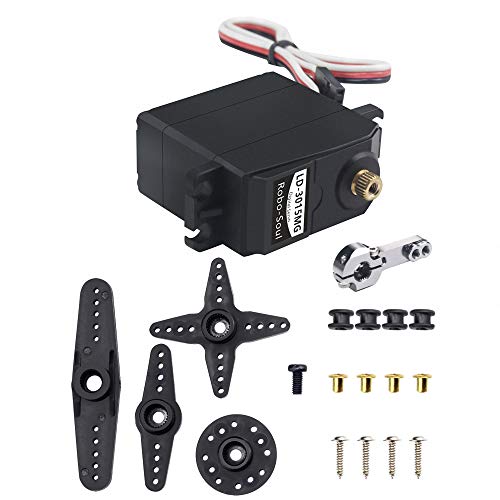
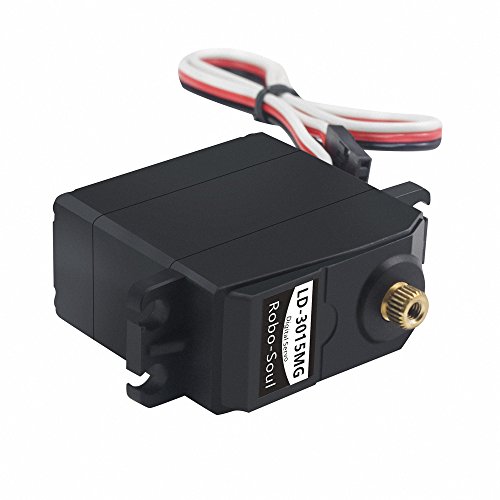
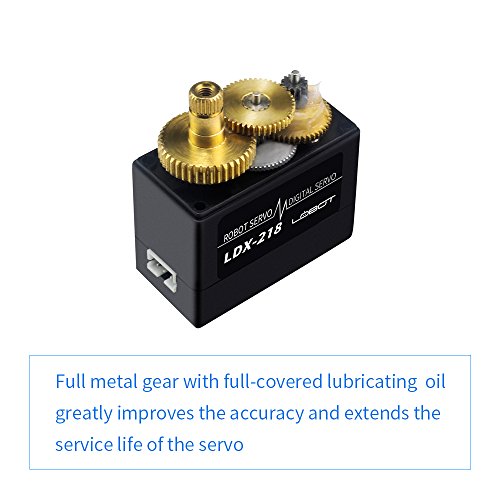
The internal construction of the servo determines its longevity. When browsing options, look for the distinction between plastic gear sets and metal gear sets. Plastic gears are quieter and lighter, making them suitable for small, delicate tasks, but they are prone to stripping under sudden impact or high stress. Metal gears (often referred to as all-metal gear sets) are significantly more robust and are the standard for any robot intended to interact with its environment physically. For any project involving walking, jumping, or heavy lifting, metal gears are a non-negotiable requirement to prevent mechanical failure mid-operation.
Power Requirements and Integration
Finally, consider your power budget. High-torque servos draw significant current, especially during startup or when holding a heavy load. Ensure that your power supply and motor driver can handle the peak current draw of the entire servo array. If you are using serial bus servos, check if they require a specific voltage level that differs from your microcontroller's logic voltage. Planning for power distribution early will prevent the common issue of 'brownouts,' where the servos draw so much energy that the microcontroller resets, causing your entire robot to fail.