Understanding Material Composition and Durability
The first decision factor in selecting snaps is the material. Most high-quality snaps are constructed from brass or stainless steel, often plated with nickel or copper for a specific finish. Brass is a gold standard in the sewing community because it is highly resistant to corrosion and provides a sturdy base that won't bend easily during the snapping process. If you are working on items that will frequently encounter moisture—such as outdoor gear, waterproof jackets, or wet wipes—prioritize stainless steel or heavily plated brass to prevent rust. Pay close attention to the 'plating thickness'. A thin coating may flake off after a few laundry cycles, leaving your project looking worn and cheap.
Size and Scale for Your Project Type
One of the most common mistakes in sewing is choosing a snap size that is disproportionate to the fabric weight. Snaps are generally categorized by diameter, typically ranging from miniature sizes for delicate lace and silk to larger, heavy-duty diameters for denim and leather. A snap that is too small for a heavy canvas bag will likely pull through the fabric fibers under tension, causing permanent damage. Conversely, a large, chunky snap on a lightweight blouse will create unsightly bulges and disrupt the drape of the garment. When selecting your kit, ensure the diameter matches the structural integrity of your material. For most apparel, a medium-sized snap provides the best balance of security and subtlety.
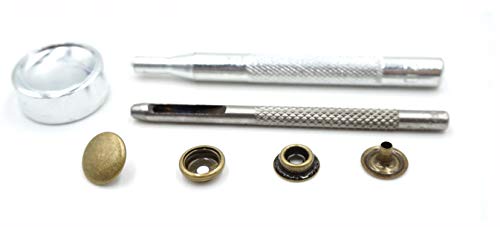
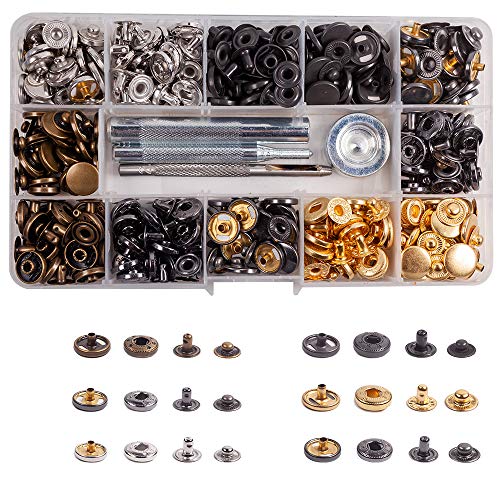
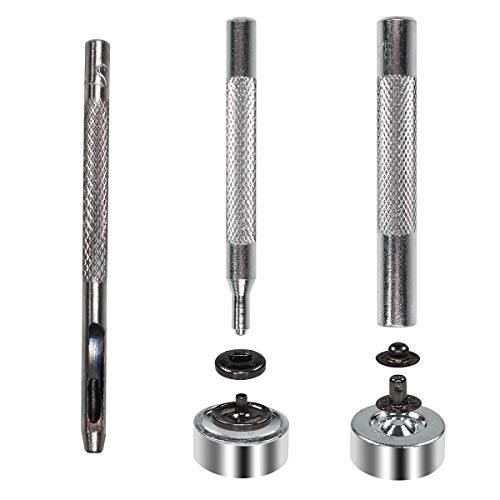
Innetoc snaps often come in varieties that cater to different skill levels and equipment availability. Some kits are designed for hand-application using a specialized plier tool, which offers high precision and is ideal for small-scale hobbyists. Others are intended for use with heavy-duty press machines, which are necessary if you are working with multiple layers of thick material like upholstery or heavy leather. Before purchasing, assess your toolkit. If you are a beginner, look for sets that include a dedicated setting tool to ensure the cap, socket, and stud are aligned perfectly. Misalignment is the primary cause of 'popping' snaps, where the fastener fails to catch properly.
Aesthetic Versatility and Finish
Finally, do not overlook the visual impact of your hardware. The finish of the snap acts as the 'jewelry' of your garment. Matte finishes offer a modern, understated look that blends into the fabric, while polished nickel or brass finishes provide a decorative, high-end accent. If you are creating a professional line of products, consider matching the snap finish to other hardware on the item, such as zippers or buckles. A mismatch in metallic tones can make a high-quality handmade item look uncoordinated. Always check that the color is consistent across the entire set to avoid variations in shade between the cap and the stud.