Understanding UHT Processing and Nutrition
The most critical factor in shelf-stable cow milk is the processing method. Most high-quality options utilize Ultra-High Temperature (UHT) technology. This process heats the milk to a very high temperature for a short period, which preserves the nutritional integrity better than traditional long-term boiling while ensuring safety. When reviewing labels, look for 'UHT' or 'sterilized' designations. It is important to note that while the nutritional profile—proteins, calcium, and vitamins—remains largely intact, the texture can sometimes feel slightly different than fresh milk due to the heat exposure. If you are sensitive to mouthfeel, look for brands that emphasize smooth consistency in their product descriptions.
Fat Content and Dietary Needs
Just like fresh milk, shelf-stable varieties come in various fat concentrations. Your choice should be driven by how you intend to use the product:
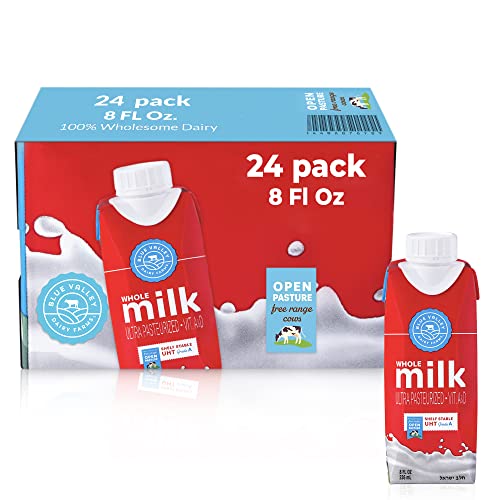
- Whole Milk: Best for cooking, baking, or for children who need the extra calories and fat-soluble vitamins. It provides the richest flavor and most creamy texture.
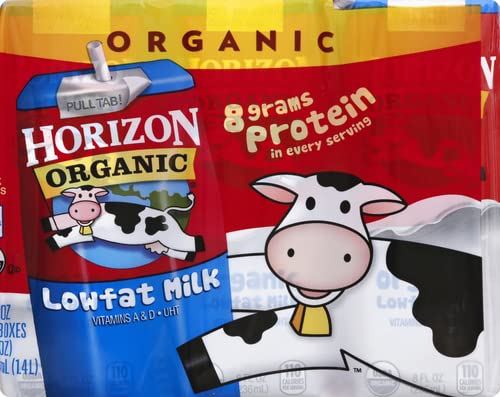
- Reduced-Fat (2%) or Low-Fat (1%): These are the versatile workhorses of the pantry. They offer a balance of nutrition and caloric control, making them ideal for everyday drinking or mixing into coffee.
- Skim Milk: Best for those monitoring calorie intake or using the milk as a base for lighter sauces. Note that skim shelf-stable milk can sometimes feel 'thinner' than its refrigerated counterpart.
Packaging Integrity and Storage
Because these products are meant to live outside the fridge, the packaging is as important as the liquid inside. Most premium shelf-stable milks come in aseptic cartons (often called tetra packs) or specialized cans. Aseptic packaging is designed to block light and oxygen, two of the primary enemies of milk stability. When shopping, inspect the seals. Any dented, leaking, or compromised packaging should be avoided, as it compromises the sterile environment required to keep the milk safe at room temperature. Once a carton is opened, however, the 'shelf-stable' advantage disappears. You must refrigerate it and consume it within a standard window, typically 7 to 10 days.
Flavor Profiles and Culinary Uses
When selecting a milk for specific tasks, consider the flavor. Some UHT milks develop a very slight 'cooked' or caramelized note due to the high heat. For drinking straight or adding to coffee, this can be quite pleasant. However, if you are using the milk for delicate desserts like panna cotta or white chocolate sauces, you may want to seek out brands that market a 'fresh-tasting' profile to minimize any cooked undertones. For heavy-duty cooking like béchamel or creamy soups, whole-fat shelf-stable milk is almost always the superior choice to ensure richness.
Summary Checklist for Buyers
Before adding a case to your cart, run through this quick mental checklist: Does the fat content match my dietary goals? Is the packaging aseptic and sturdy? Is the milk fortified with Vitamin D or Calcium to maximize nutritional value? By focusing on these specific technical details, you can ensure your pantry staples are both safe and delicious.