Thermal Transfer vs. Direct Thermal Compatibility
The most critical technical decision you will make is determining whether your label printer uses direct thermal technology or thermal transfer ribbons. Most modern shipping operations prefer direct thermal labels because they eliminate the need for ink or toner, reducing long-term consumable costs. When selecting Funglam labels, you must ensure they are specifically rated for direct thermal printing. A label designed for thermal transfer will not react to the heat of a direct thermal print head, resulting in a blank sheet. Conversely, using a thermal transfer label in a direct thermal printer can lead to uneven heating and poor barcode clarity. Always verify your hardware specifications before committing to a bulk order.
Adhesion Strength and Surface Material
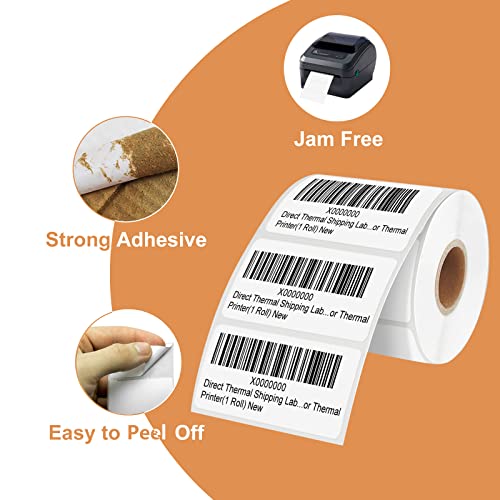
Not all surfaces are created equal. If you are shipping in corrugated cardboard boxes, a standard adhesive might suffice. However, if your products are packaged in poly mailers, plastic bins, or recycled materials with high oil content, you require a high-tack adhesive. Funglam offers variations in adhesive strength designed to prevent 'flagging'—the tendency of label edges to peel upward after being exposed to friction. For international shipping or long-haul freight, look for labels with a permanent adhesive rating. This ensures that the label remains flat and intact even if the package is subjected to heavy stacking or moisture exposure in shipping containers.
Barcode Scannability and Coating
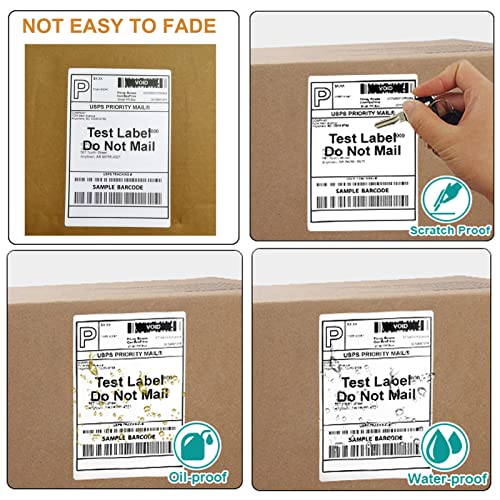
A shipping label serves one primary purpose: to communicate data to a scanner. If the label smudges or the ink fades, your package becomes 'dark' to the logistics network, leading to delays or lost shipments. High-quality labels feature a specialized coating that prevents smearing and protects the thermal image from light exposure. When evaluating options, consider the environment your packages inhabit. If you ship perishables or outdoor equipment, look for moisture-resistant or water-resistant coatings. A label that maintains its high-contrast black-on-white appearance under stress is worth the slight premium in cost.
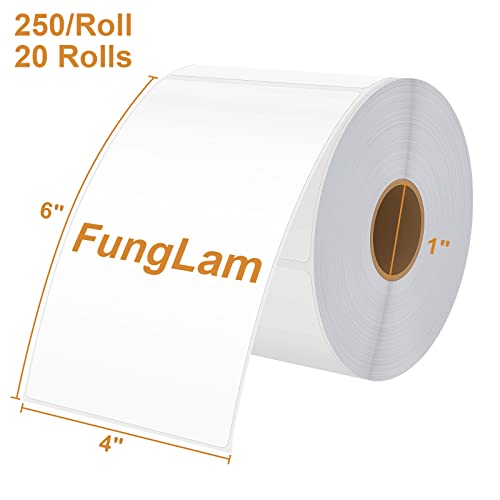
Efficiency in a warehouse setting is driven by minimizing downtime. Ensure that the label dimensions you choose are compatible with your printer’s maximum width and height. Common industry standards like 4x6 inches are ideal for most shipping workflows, but specialty sizes may be necessary for smaller parcels. Furthermore, pay attention to the roll core size. If your printer requires a 3-inch core but you purchase labels with a 1-inch core, you will face significant frustration during setup. Matching the roll format to your specific hardware ensures a seamless workflow and prevents jams that can halt your fulfillment process.
Recommendation Logic
To make the best choice, categorize your shipping profile. If you are a high-volume e-commerce seller using standard cardboard boxes, prioritize 4x6 direct thermal labels with a standard permanent adhesive. If you ship high-value electronics or items in plastic packaging, upgrade to a premium high-tack adhesive version to prevent label detachment. Always prioritize barcode clarity and smudge resistance over the lowest possible price point, as the cost of a single lost shipment far outweighs the savings on a roll of inferior labels.