Material Composition: Silicone vs. Plastic
The most critical decision in choosing a mold is the material. For the vast majority of soap makers, high-quality, food-grade silicone is the gold standard. Silicone is prized for its flexibility, which allows you to 'peel' the mold away from the soap, ensuring that intricate details—such as botanical imprints or geometric patterns—remain intact without cracking the soap. It also handles the heat generated during the saponification process exceptionally well.
While rigid plastic molds exist, they are typically reserved for specific industrial applications or very simple rectangular bars. Plastic is much harder to unmold, often requiring you to cut the soap out of the mold, which can lead to uneven edges. If you are looking for longevity and ease of use, prioritize platinum-cured silicone, as it is more resistant to tearing and holds its shape longer over hundreds of pours.
Complexity of Design and Detail
Molds generally fall into three design categories: basic geometric shapes, textured surfaces, and 3D sculptural forms. If you are practicing swirling techniques or layering colors, a smooth-walled rectangular loaf mold is your best starting point. These allow the visual complexity of the soap design to take center stage without interference from the mold itself.
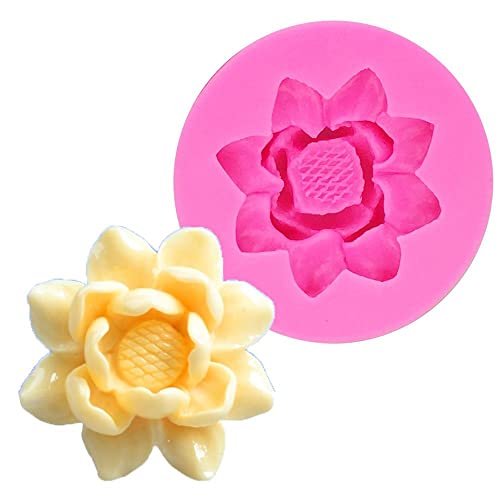
If you prefer to create 'statement' soaps, look for molds with high-definition textures. These can include floral patterns, mandala designs, or even character shapes. When evaluating these, look closely at the 'depth' of the detail. If the design is too shallow, the pattern will wash away during use. If it is too deep, you may struggle to get the soap out without damaging the delicate edges. A well-designed mold will have slight tapers in its walls to facilitate a smoother release.
Size, Volume, and Batch Capacity
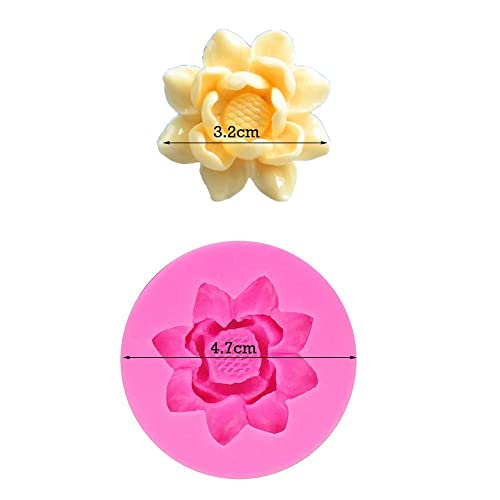
Before purchasing, you must calculate your capacity needs. Molds are typically sold by total volume (e.g., 1kg or 2lb molds) or by individual cavity size. For those making individual guest soaps, multi-cavity molds are highly efficient, as they allow you to pour multiple units simultaneously, ensuring uniform size across your entire batch. For those making large artisanal bars, a single large loaf mold is more effective.
Consider the 'cutability' of the mold. A loaf mold that produces a long, continuous block is ideal if you plan to slice your soap into custom widths. However, if you are working in a small kitchen, a compact multi-cavity mold may be more manageable for storage and cleaning.
Durability and Maintenance
A high-quality silicone mold should feel substantial. If the silicone is too thin or 'flimsy,' the weight of the soap batter may cause the mold to bulge or warp, resulting in uneven bars. Look for molds with reinforced edges or thicker walls to maintain structural integrity during the pour. Additionally, ensure the mold is easy to clean. Avoid designs with extremely tight crevices if you do not have specialized cleaning tools, as leftover soap residue can become a breeding ground for bacteria or ruin the next batch's color clarity.