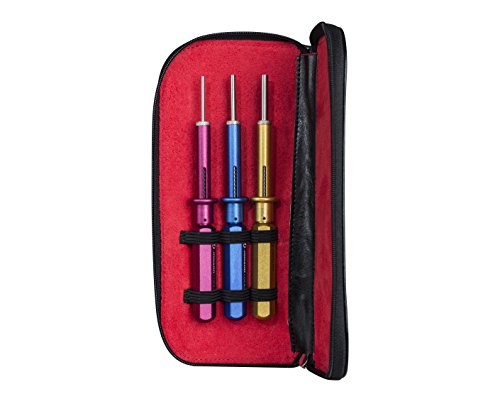
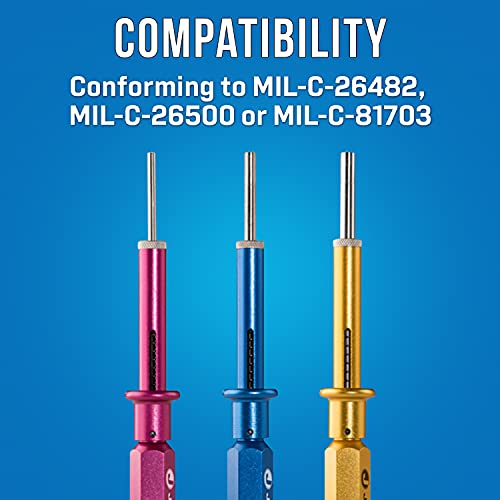
Before making a purchase, you must categorize your specific workflow. Soldering, insertion, and extraction tools serve three distinct phases of the connection process. Insertion tools are designed to seat wires or pins into housings, connectors, or terminal blocks without damaging the delicate metal contacts. Extraction tools serve the inverse purpose, allowing you to remove a pin or wire from a connector housing without marring the plastic or bending the surrounding pins. Finally, soldering-related tools—which often include specialized tweezers, desoldering pumps, or heat-management accessories—are used to create or repair permanent electrical bonds. A common mistake is buying a general-purpose kit when your work requires specialized geometry for a specific connector type, such as RJ45, M12, or high-density fiber connectors.
Key Decision Factor: Tip Geometry and Precision
The most critical aspect of any insertion or extraction tool is the tip. For extraction, the tip must be fine enough to slide into the narrow gap between the terminal and the connector housing, yet strong enough to engage the locking mechanism of the pin. Look for tips that feature a tapered design and high-grade hardened steel to prevent rounding or bending during repetitive use. For insertion tools, the tip should have a non-marring surface or a specific profile that matches the gauge of the wire you are working with. If the tip is too blunt, you risk cracking the connector housing. If it is too thin, it may slip and fail to seat the pin fully.
Material Integrity and Ergonomics
Because these tasks often require high dexterity and repetitive motions, ergonomics are not a luxury—they are a necessity for preventing hand fatigue and ensuring accuracy. High-quality tools in this category typically feature ESD (Electrostatic Discharge) safe handles to protect sensitive electronic components from static buildup. When evaluating a tool, look for handles with a textured grip that allows for fine motor control even when wearing gloves. Furthermore, ensure the tool is constructed from corrosion-resistant materials. In field environments where humidity or temperature fluctuations are common, tool longevity depends on the quality of the metallurgy used in the tool's core.
A 'one size fits all' approach is the fastest way to damage expensive networking hardware. Your selection logic should always start with your most frequent connector type. If you are primarily working with telecommunications wiring, prioritize tools designed for small-gauge wire insertion. If you are performing rework on printed circuit boards, prioritize desoldering and extraction tools designed for micro-electronics. Always check the compatibility specifications regarding wire diameter and pin size. A tool that is slightly too large for a specific terminal will fail to engage the locking tab, leading to intermittent connections that are notoriously difficult to troubleshoot later.
Final Recommendation Logic
When deciding between a budget-friendly entry-level tool and a professional-grade instrument, consider your frequency of use. For occasional hobbyist repairs, a basic set may suffice. However, for professional technicians, investing in specialized, high-precision tools is an investment in signal integrity. A single damaged connector can result in hours of troubleshooting. Therefore, selecting tools with verified tip hardness and ESD safety is the most cost-effective long-term strategy for any professional technician.