#TOP1
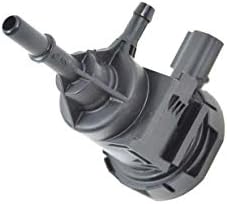
When maintaining a vehicle engineered for performance and reliability, the integrity of the electrical and hydraulic control systems is paramount. Mopar solenoids serve as the critical bridge between electronic commands and mechanical action, controlling everything from transmission shifting patterns to variable valve timing and fuel delivery. Because these components manage high-pressure fluids or rapid electrical pulses, a failure can result in anything from a slight hesitation in acceleration to a complete transmission lockout. Selecting the right solenoid is not merely about finding a part that fits the connector. It is about ensuring the electromagnetic coil and internal plunger meet the exact specifications required by your vehicle's Engine Control Unit (ECU) or Transmission Control Module (TCM).
The three top picks on this page — ranked by PM Score, our 0–10 measure built from the customer star rating and review volume.

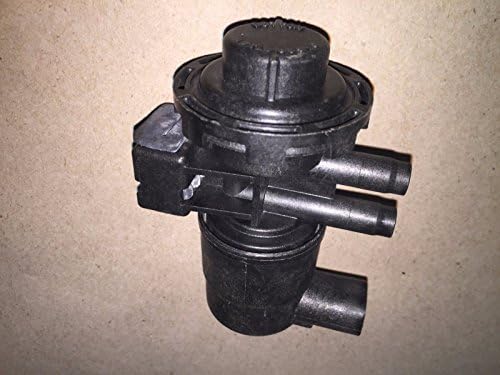
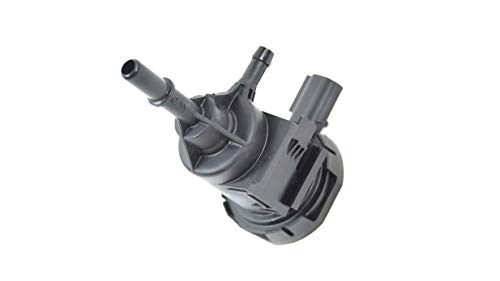


| SELLER | SELLER SCORE | AMAZON FULFILLED | PRIME | FREE SHIPPING |
|---|---|---|---|---|
| World Parts Direct | 9.73 | No | No | No |


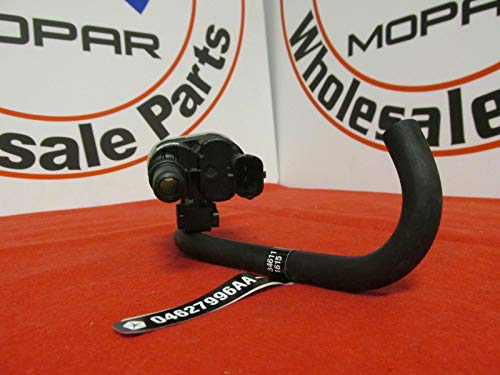


| SELLER | SELLER SCORE | AMAZON FULFILLED | PRIME | FREE SHIPPING |
|---|---|---|---|---|
| World Parts Direct | 9.73 | No | No | No |
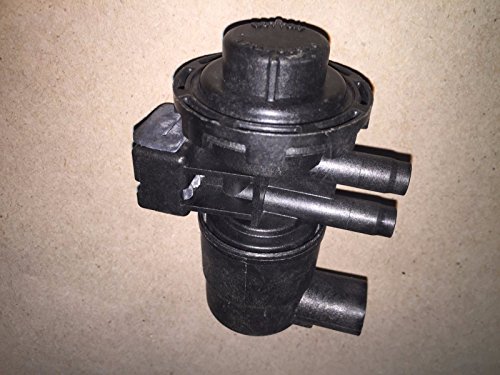

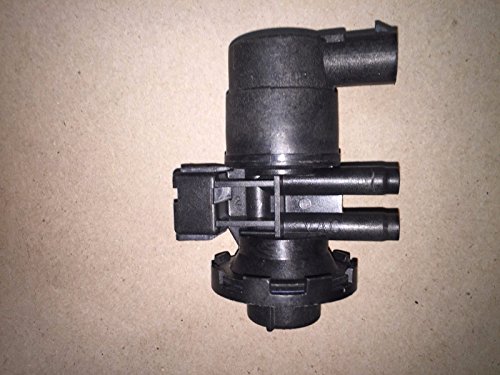

| SELLER | SELLER SCORE | AMAZON FULFILLED | PRIME | FREE SHIPPING |
|---|---|---|---|---|
| GM FORD CHRYSLER JEEP DODGE RAM OEM PARTS | 8.67 | No | No | No |

| SELLER | SELLER SCORE | AMAZON FULFILLED | PRIME | FREE SHIPPING |
|---|---|---|---|---|
| World Parts Direct | 9.73 | No | No | No |

| SELLER | SELLER SCORE | AMAZON FULFILLED | PRIME | FREE SHIPPING |
|---|---|---|---|---|
| GM FORD CHRYSLER JEEP DODGE RAM OEM PARTS | 8.67 | No | No | No |


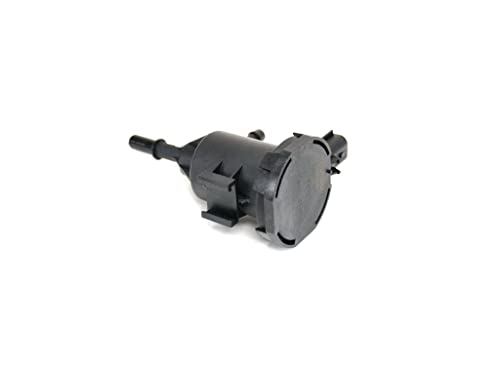
| SELLER | SELLER SCORE | AMAZON FULFILLED | PRIME | FREE SHIPPING |
|---|---|---|---|---|
| World Parts Direct | 9.73 | No | No | No |

The most critical factor in selecting a Mopar solenoid is recognizing that 'close enough' is never sufficient. Solenoids are highly specialized components designed for specific fluid pressures, electrical resistances, and duty cycles. For instance, a transmission shift solenoid operates under vastly different hydraulic stresses than an emissions control solenoid used for EGR (Exhaust Gas Recirculation) systems. When shopping, you must verify the exact functional role of the part. A solenoid designed for a Chrysler HEMI engine's oil control will have a different thermal tolerance and response time than a solenoid used in a cooling fan circuit. Always prioritize parts that are explicitly rated for your specific engine displacement and transmission type to avoid premature coil burnout or mechanical sticking.
A common failure point in low-quality solenoids is the degradation of internal seals and the buildup of electromagnetic interference. High-quality solenoids utilize premium elastomers for the internal O-rings and seals, which are essential for preventing fluid bypass. If a seal fails, the solenoid may still function electrically, but it will fail to hold the pressure necessary to actuate the mechanical component, leading to 'phantom' error codes. Furthermore, look for solenoids with high-grade copper windings in the electromagnetic coil. Superior winding density ensures a consistent magnetic field, which translates to smoother transitions—whether that is a seamless gear shift or precise valve timing. Cheap alternatives often use inferior alloys that can corrode when exposed to modern synthetic oils or high-temperature engine environments.
Since solenoids are electromechanical devices, their electrical profile is their most important specification. Every solenoid has a specific resistance rating (measured in Ohms). If you install a solenoid with incorrect resistance, you risk drawing too much current, which can overheat the component or, worse, damage the expensive control module that sends the signal. When evaluating options, ensure the electrical specifications align with the factory requirements. This is particularly vital in modern vehicles with complex multiplex wiring systems, where the ECU monitors the electrical load of every component in real-time. A mismatch can trigger a permanent fault code that persists even after the mechanical issue is resolved.
In the realm of Mopar components, the decision between Original Equipment Manufacturer (OEM) parts and aftermarket alternatives often comes down to the complexity of the system. For critical systems like the Transmission Control Solenoid or Variable Valve Timing (VVT) solenoids, we strongly recommend sticking to OEM-spec components. These parts are tested against the specific fluid dynamics and electrical pulses of your vehicle's computer. While aftermarket solenoids may offer a lower entry price, they often lack the precision-machined plungers required for high-speed operation, leading to 'sluggish' performance. For non-critical auxiliary systems, such as certain vacuum or vent solenoids, high-quality aftermarket options may be a viable way to manage repair costs, provided they meet or exceed the original resistance and pressure ratings.
Quick answers about Mopar Solenoids before you buy.
Share of top-ranked products by brand, from our rankings.
We compared Mopar Solenoids products using product details and customer ratings to identify the best options in the automotive replacement parts..
From that comparison we shortlisted the top 6 Mopar Solenoids for this page..
We aim to help you find the right solenoids products for your needs and save you time when choosing which Mopar Solenoids to buy.
Compare the top 6 picks at a glance — select a column to sort.


