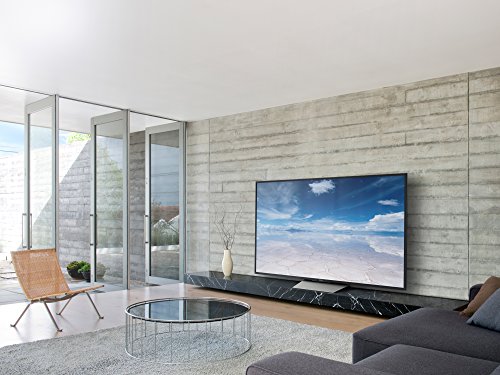
Understanding Panel Technology: OLED vs. Full Array LED
The most critical decision in your Sony purchase is the underlying panel technology. Sony’s OLED models are designed for the cinephile. Because OLED pixels are self-emissive, they can turn off completely, providing true blacks and infinite contrast. This makes them the premier choice for dark, dedicated home theater rooms where you want to eliminate light bleed and achieve deep, cinematic shadows. However, OLEDs generally don't reach the extreme peak brightness levels of high-end LED sets.
If your television will live in a sun-drenched living room with significant ambient light, you should look toward Sony's Full Array LED or Mini-LED options. These models use sophisticated local dimming zones to manage contrast, but their primary strength lies in their massive brightness potential. They can fight through glare much more effectively than an OLED, ensuring that your daytime sports or bright action movies remain vibrant and visible.
The Power of the Cognitive Processor
What truly separates Sony from the pack is their proprietary processing power. While other brands focus on raw hardware specs, Sony invests heavily in their 'Cognitive Processor' series. This technology is designed to mimic how the human eye perceives depth, focus, and color. When browsing models, look for the latest iteration of this processor. It handles up-scaling—taking lower-resolution content like standard cable or older streaming files and making them look crisp on a 4K screen—better than almost any other manufacturer. If you frequently watch older movies or live broadcast television, the quality of the processor is actually more important than the panel type itself.
HDR Standards and Color Accuracy
Sony televisions are renowned for their handling of High Dynamic Range (HDR). When comparing models, pay attention to how they handle HDR10 and Dolby Vision. Sony's integration of Dolby Vision is particularly seamless, providing metadata-driven brightness and color adjustments that ensure every scene looks optimal. Furthermore, Sony tends to favor 'natural' color profiles. While some brands use high saturation that can make skin tones look orange or unnatural, Sony focuses on accuracy. If you are a purist who wants to see the colors exactly as they were graded in a studio, Sony is your safest bet.
For gamers, the requirements shift toward responsiveness. Modern Sony displays feature dedicated gaming modes that minimize input lag, ensuring that your controller inputs translate to on-screen action instantly. Look for models that support high refresh rates and Variable Refresh Rate (VRR) technology. This prevents screen tearing during intense gameplay. Sony's integration with modern gaming consoles is also a significant advantage, as they often feature optimized features that allow for smoother transitions and better image clarity during high-speed motion.
Summary of Recommendation Logic
To make your final choice, follow this logic: If you want the ultimate movie experience in a controlled, dark room, prioritize an OLED. If you need a bright, versatile TV for a family room with windows, prioritize a Mini-LED or Full Array LED. If your primary concern is watching low-quality cable or older content, prioritize the highest-tier processor available, regardless of the panel type.