Material Composition and Durability
The most critical decision factor when purchasing a sports emblem is the material. Emblems generally fall into three categories: vinyl decals, 3D resin-domed stickers, and rigid plastic/metal badges. Vinyl decals are excellent for large surface areas like windows or laptops because they are thin and conform easily to curves. However, they are prone to fading if exposed to constant UV rays. If you are placing an emblem on an outdoor surface, look for high-grade, weather-resistant vinyl.
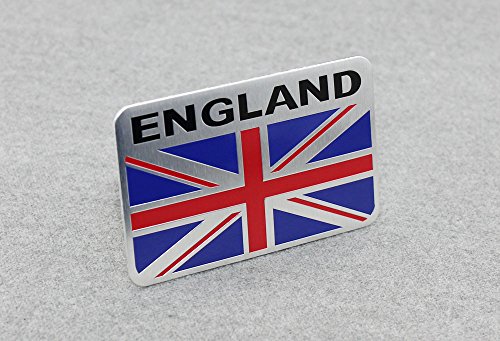
For a more premium, tactile feel, resin-domed emblems are the gold standard. These feature a clear, thick layer of epoxy over the design, giving it a three-dimensional, high-gloss appearance. They are incredibly durable and resistant to scratches, making them perfect for car trunks or motorcycle tanks. If you require something heavy-duty, seek out rigid emblems made from ABS plastic or die-cast metal, which are typically applied via industrial-strength automotive adhesive rather than simple peel-and-stick methods.
Adhesion and Surface Compatibility
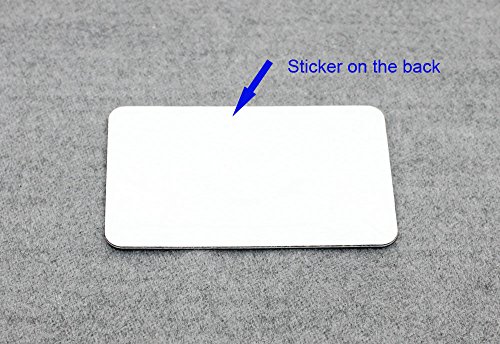
An emblem is only as good as its ability to stay attached. When shopping, pay close attention to the backing material. High-quality emblems utilize pressure-sensitive adhesives (PSA) that create a permanent bond once applied. If you are applying an emblem to a vehicle, ensure the product is rated for automotive use. Standard craft adhesives will fail under the thermal expansion and contraction caused by sun and temperature shifts.
Conversely, if you are decorating a reusable item like a water bottle or a hard-shell suitcase, you might prefer a removable adhesive that allows for repositioning without leaving a sticky residue. Always check the product description to see if the emblem is intended for 'permanent' or 'temporary' application to avoid damaging your surfaces.
Design Fidelity and Aesthetic Style
Generic emblems vary wildly in artistic execution. Some aim for 'hyper-realism,' attempting to mimic the exact colors and textures of professional league logos. Others lean into a 'retro' or 'throwback' aesthetic, using muted color palettes and distressed textures to evoke a sense of nostalgia.
When choosing, consider the 'visual noise' of the surface you are decorating. A highly detailed, multi-colored emblem might look cluttered on a busy patterned backpack, whereas a minimalist, single-color silhouette would provide a clean, sophisticated look. If you are building a collection, try to maintain a consistent style—such as all metallic finishes or all matte vinyl—to ensure your gear looks intentional rather than haphazard.
Application Requirements
Before finalizing your purchase, consider the ease of installation. Some rigid emblems require a specific cleaning agent (like isopropyl alcohol) to prep the surface, while others are simple peel-and-stick. If you are working with larger, multi-piece emblems, look for kits that include application guides or transfer tapes to prevent misalignment, which can instantly ruin the professional look of your customized item.