Material Composition and Durability
The first decision you must make is the material of your balusters, as this dictates the maintenance requirements and the overall 'weight' of the design. Metal balusters, often crafted from wrought iron or powder-coated steel, offer a slim profile that creates an airy, modern, or traditional elegance without obstructing sightlines. These are exceptionally durable and resistant to warping. On the other hand, wood balusters provide a warmth and classic feel that integrates seamlessly into traditional or craftsman-style homes. If you choose wood, consider the species. Hardwoods like oak or maple are preferred for their ability to take stains evenly and resist denting from high-traffic use. For those seeking a contemporary look, high-grade polymers or glass inserts can offer a sleek, minimalist aesthetic, though they require specific mounting hardware.
Style and Architectural Integration
Balusters act as the repetitive punctuation marks of your staircase. To choose the right style, look at the existing elements of your home. If your home features heavy crown molding and dark wood treads, ornate, twisted, or basket-style iron balusters can provide a sophisticated, old-world charm. Conversely, if you are working with an open-concept, modern space, look for simple square or round profiles with clean lines. The 'visual density' is also crucial. Thin, spaced-out spindles create a sense of openness, whereas thicker, more frequent balusters can make a staircase feel more substantial and grounded. Always consider how the baluster design interacts with your handrail and base rail to ensure a cohesive visual language.
Code Compliance and Safety Spacing
Safety is the most critical non-negotiable factor when selecting balusters. Most residential building codes strictly dictate the maximum gap allowed between spindles to prevent small children from slipping through. A standard rule of thumb is that a 4-inch sphere should not be able to pass through any part of the railing system. When shopping, do not just look at the diameter of the baluster itself, but calculate the 'on-center' spacing to ensure you meet local safety regulations. Additionally, ensure the mounting method—whether it is top-mounted into the handrail or bottom-mounted into the tread—is secure and capable of withstanding lateral pressure.
Installation Compatibility and Finish
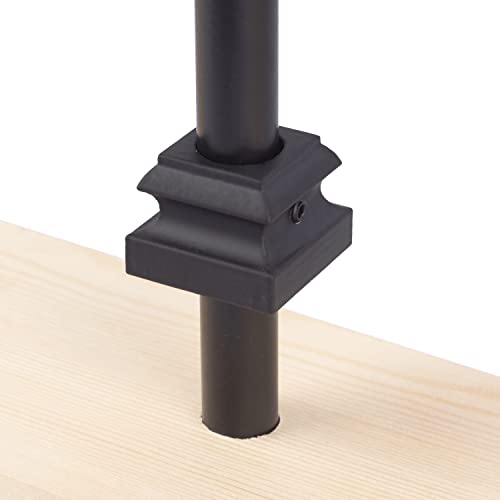
Before finalizing your purchase, evaluate the ease of installation. Some balusters are designed as 'plug-and-play' components that fit into pre-drilled holes, while others require specialized drilling and adhesive. Pay close attention to the finish. Powder-coated finishes on metal are superior for resisting scratches and rust, especially in high-moisture areas like entryways. For wood, consider whether you want pre-finished balusters or raw wood that allows you to custom-match the stain to your existing staircase. A mismatch in sheen or undertone can make even the most expensive balusters look out of place.