Verify Electrical Specifications and Solenoid Integration
The most critical aspect of selecting a starter is ensuring the electrical draw matches your vehicle's battery and alternator capacity. A starter motor functions by pulling a massive amount of current in a very short burst. If you opt for a lower-quality unit with inferior copper windings, you may experience 'slow cranking,' where the engine turns over sluggishly, making it difficult to fire up. Additionally, pay close attention to whether the starter comes with a pre-installed solenoid. The solenoid is the electromagnetic switch that pushes the drive gear into the flywheel. While some enthusiasts prefer to reuse their old solenoid to save costs, a combined unit is generally more reliable as it ensures the electrical contacts and mechanical engagement are perfectly synchronized from the factory.
Understanding Gear Engagement and Drive Types
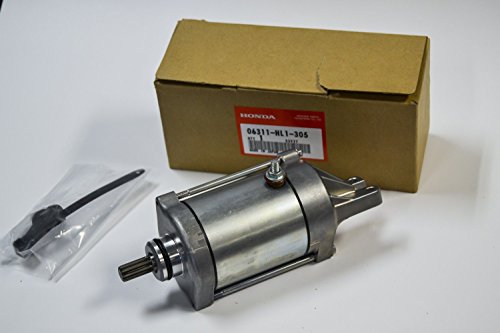
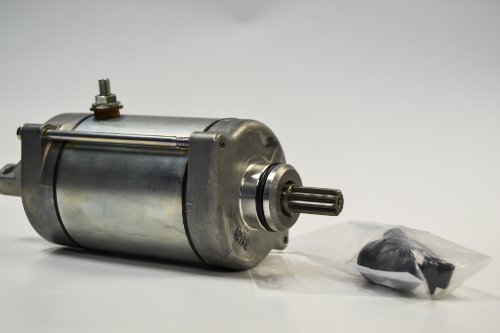
Not all starters engage the flywheel in the same way. Most modern vehicles use a pinion gear that slides forward via a Bendix drive. When shopping, you must ensure the tooth count and the diameter of the drive gear are identical to your original equipment. Even a slight discrepancy in the gear pitch can lead to 'gear grinding,' a catastrophic failure where the starter teeth strip against the flywheel. This can turn a simple starter replacement into a much more expensive flywheel resurfacing or replacement job. Look for units that specify high-quality materials for the drive pinion, such as hardened steel, to withstand the friction of repeated engagements.
Core Material and Build Quality
The longevity of a starter is often determined by its housing and internal insulation. High-quality starters utilize heavy-duty housings that resist vibration and heat soak from the engine block. Heat is the enemy of electrical components. If the starter is mounted too close to an exhaust manifold without proper shielding, the internal windings can degrade. When comparing options, look for descriptions that highlight 'heavy-duty' construction or 'high-torque' output. This typically indicates thicker wire gauges and more robust brushes, which are the sacrificial components that conduct electricity to the armature. Better brushes mean a longer service life before you face the same cranking issues again.
The Importance of Fitment and Mounting Flanges
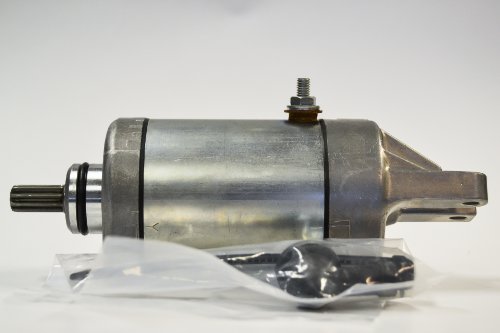
Even if the electrical specs are perfect, a starter is useless if it cannot be bolted securely to the transmission bellhousing. Mounting flanges must be precision-machined to ensure the starter sits perfectly flush. If the flange is even slightly misaligned, the pinion gear will not mesh correctly with the flywheel, leading to the aforementioned grinding or a complete failure to engage. Always cross-reference your engine displacement and transmission type, as many engines share the same block but use different starters depending on whether they are paired with a manual or automatic transmission.
Recommendation Logic
When making your final decision, use the following hierarchy: First, prioritize OE-spec compatibility—if it doesn't match your original gear teeth and mounting pattern, reject it immediately. Second, prioritize electrical integrity—choose units that emphasize high-conductivity windings to prevent slow cranking. Finally, consider durability vs. cost—while budget-friendly options exist, the labor cost of installing a starter often exceeds the price of the part itself. Investing slightly more in a premium, heavy-duty unit is almost always the smarter long-term financial decision.