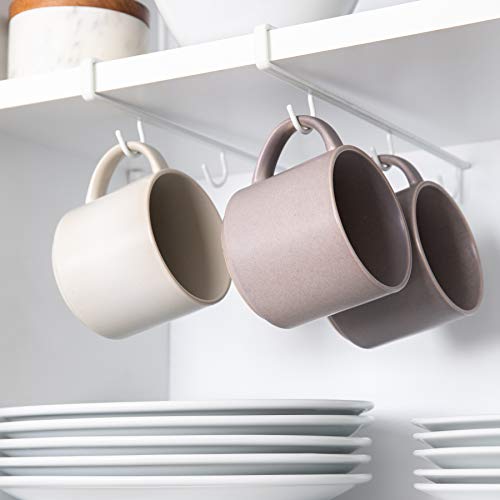
Determine Your Weight Requirements
The most critical factor in selecting any storage hook is the weight capacity. Hooks are generally categorized into three tiers: lightweight, medium-duty, and heavy-duty. Lightweight hooks, often made of thin wire or plastic, are ideal for kitchen utensils, lightweight towels, or decorative items. If you attempt to hang a heavy backpack or a power drill on these, they will likely deform or pull away from the surface. Medium-duty hooks are the workhorses of the home, suitable for clothing, bags, and light household tools. For garages, workshops, or heavy outerwear, you must look for heavy-duty hooks constructed from thick-gauge steel or reinforced alloys. Always check the manufacturer's stated weight limit, but keep in mind that a hook's strength is only as good as its mounting method.
Evaluate Mounting Mechanisms
How the hook attaches to your surface dictates its longevity and the level of damage it might cause. There are four primary mounting styles:
- Adhesive/Command Style: Best for renters or smooth surfaces like tile and glass. These use pressure-sensitive adhesives that leave no trace when removed. However, they are prone to failure in high-humidity environments like bathrooms or if the weight exceeds the adhesive's grip.
- Screw-In/Permanent: These offer the highest security. By driving a screw directly into wood or using a wall anchor in drywall, you create a mechanical bond. This is the gold standard for heavy-duty garage storage or heavy coats.
- Over-the-Door: These utilize gravity and a bracket that slides over a door or cabinet edge. They are excellent for temporary organization and require zero tools, but they can sometimes pinch or scratch the door surface if not padded.
- Pegboard/Slatwall Hooks: Specifically designed for modular storage systems, these rely on the geometry of the existing board. Ensure the hook's prong matches the spacing of your specific pegboard system.
Material and Durability
The environment where you intend to use the hook should dictate the material. In a bathroom or a laundry room, moisture is a constant threat. Opt for stainless steel, aluminum, or high-quality plastic to prevent rust and corrosion. In a garage or workshop, look for powder-coated steel, which provides a rugged layer of protection against scratches and oil exposure. For aesthetic living spaces, brass, brushed nickel, or matte black finishes are popular, but ensure the coating is durable enough to withstand the friction of items being repeatedly hung and removed.
Shape and Functionality
The geometry of the hook determines what it can actually hold. A simple 'J' hook is great for loops, such as on bags or belts, but may allow items to slide off if they don't have a loop. A 'C' or 'U' shaped hook provides more stability for larger items. If you are organizing tools, look for specialized hooks like pegboard hooks with wide heads to prevent tool handles from slipping. For clothing, consider the depth of the hook. A shallow hook might cause coats to slide off, while a deep hook provides a more secure cradle.