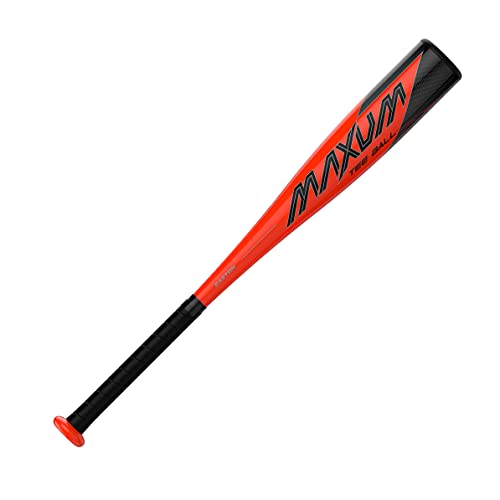
Prioritizing Weight and Balance
The most critical factor in selecting a beginner T-ball bat is the weight. In youth sports, we often talk about 'swing weight'—how heavy the bat feels when it is in motion. For a beginner, you want a bat that allows for a controlled, fluid swing. If a child struggles to bring the bat through the hitting zone because it is too cumbersome, they will likely develop 'casting' habits, where they use their whole body to heave the bat rather than using their wrists and core. Look for lightweight aluminum or composite options that fall within the appropriate weight range for the child's age and physical strength. A general rule of thumb is that the child should be able to hold the bat out horizontally with one hand for a few seconds without their arm shaking significantly.
Material Matters: Aluminum vs. Composite
Beginner bats generally fall into two material categories: aluminum and composite. Aluminum bats are the industry standard for T-ball because they are durable, relatively inexpensive, and provide a very consistent 'pop' when hitting the ball. They are excellent for teaching the fundamentals because they are predictable. Composite bats, on the other hand, are made of layered fibers. While they are often more expensive, they tend to have a larger 'sweet spot' and can feel slightly more balanced. For a true beginner who is just learning where the center of the bat is, a composite bat might offer a bit more forgiveness. However, for most entry-level players, a high-quality aluminum bat offers the best balance of performance and longevity.
Grip and Handle Diameter
A bat is only as effective as the child's ability to control it. Many beginner bats feature specialized grips designed specifically for smaller hands. Look for bats with a slightly tapered handle or those that come with cushioned grip tape. The grip should feel secure but not so thick that the child cannot wrap their fingers completely around it. If the handle is too thick, the child will struggle to snap their wrists through the zone, which is essential for generating power. Conversely, if it is too thin, they may lack the stability needed to keep the bat on a level plane during the swing.
Length and Reach
The length of the bat must complement the child's height and arm reach. A bat that is too long will be difficult to control and will likely result in the child swinging too far away from their body. A bat that is too short will force them to reach, compromising their stance and balance. When testing a bat, ensure the child can comfortably stand in a balanced athletic stance with the bat resting on their shoulder without feeling like they are leaning too far forward or backward. The goal is to find a length that provides enough leverage to hit the ball effectively while maintaining total control over the barrel.
Durability and Longevity
Since T-ball is often the first step toward Little League, consider how long the bat will last. While a child will eventually outgrow their first bat, you want something that can withstand the inevitable dropped bats and occasional contact with the ground. Look for construction that emphasizes reinforced barrels and high-quality finishes that won't chip easily. Investing in a reputable brand known for youth sports engineering ensures that the bat remains a reliable training tool throughout the entire introductory season.