Understanding Voltage and Amperage Requirements
The most critical step in selecting a tablet adapter is matching the output specifications of the charger to the input requirements of your tablet. Most modern tablets operate on a specific voltage (typically 5V, 9V, 12V, or higher for fast-charging models). You must ensure the adapter's voltage matches your device exactly. While you can use an adapter with a higher amperage (measured in Amps or Milliamps) than your device requires, you should never use one with a lower amperage, as this will result in insufficient power and potential overheating of the adapter itself. Think of amperage as the 'capacity' for flow. Your tablet will only pull what it needs, but the adapter must be capable of providing it without straining.
Connector Types and Physical Compatibility
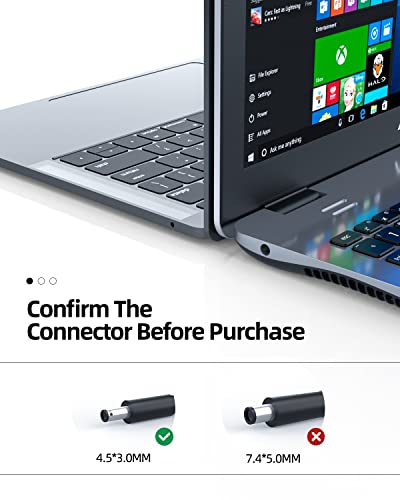
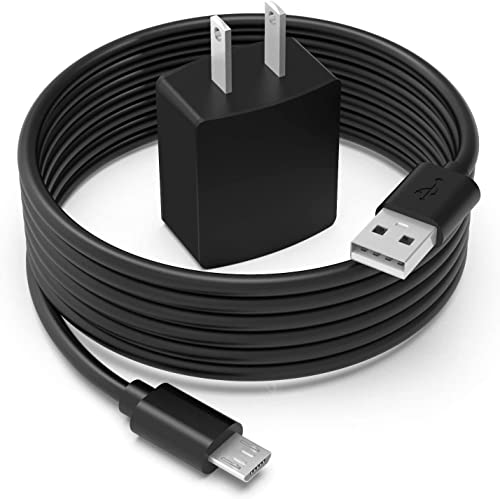
Even if the electrical specs are perfect, the adapter is useless if the plug does not fit. The market has shifted heavily toward USB-C as the universal standard, which allows for much higher power delivery and faster data transfer. However, many older or specialized tablets still utilize Micro-USB or proprietary barrel-style connectors. When shopping for a Nicpower adapter, verify the tip size and the connection interface. If you are looking for versatility, consider an adapter that utilizes a USB-C output port, allowing you to use various high-quality cables to reach your device.
Fast Charging Protocols and Power Delivery
Not all 'fast chargers' are created equal. If your tablet supports advanced charging technologies like Power Delivery (PD) or Quick Charge (QC), your adapter should ideally support these protocols to take full advantage of rapid charging cycles. A standard 5W or 10W adapter will feel painfully slow on a modern high-capacity tablet. Look for adapters that explicitly mention high-wattage output (such as 18W, 30W, or higher) if you intend to charge your device from zero to full in a reasonable timeframe. This is especially important for users who use their tablets for intensive tasks like gaming or video editing, where the device consumes power almost as fast as the charger can supply it.
Safety Certifications and Heat Management
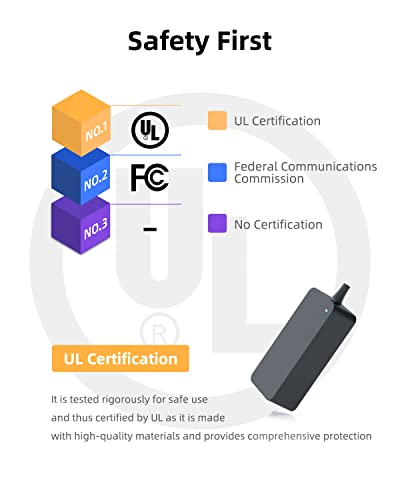
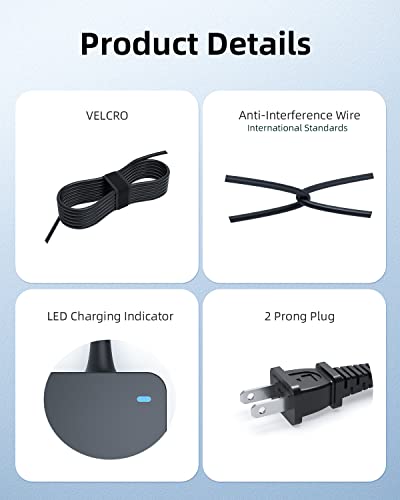
Because tablet adapters are often left plugged in for extended periods, safety is paramount. Look for adapters that include built-in protections against over-voltage, over-current, and short-circuiting. High-quality adapters are designed with heat dissipation in mind. A charger that becomes excessively hot to the touch during a standard charging cycle is a sign of inefficient internal components. Choosing a reputable brand like Nicpower ensures that the internal components are regulated to provide a steady, 'clean' stream of electricity, protecting your tablet's sensitive lithium-ion battery from the degradation caused by power surges or fluctuations.
Portability vs. Power Output
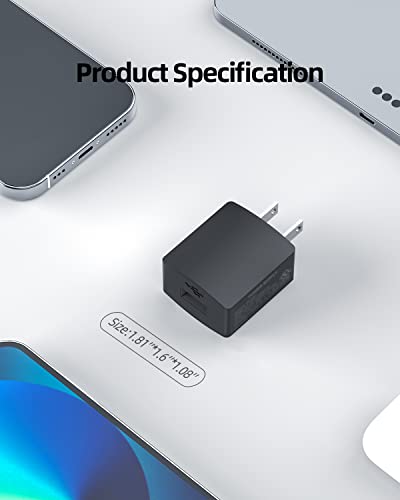
Finally, consider your primary use case. If you are a frequent traveler, a compact, wall-wart style adapter that fits easily into a tech pouch is ideal. However, if your tablet is a primary workstation, you might prefer a desktop-style adapter with a longer cord, which provides more flexibility in how you position your device while it is tethered to the wall. Balancing the footprint of the adapter with the total wattage required will ensure you have a power solution that is both convenient and effective.