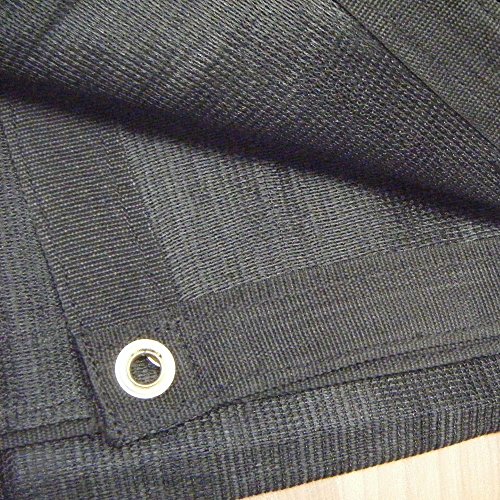
Material Composition and Fabric Texture
When dealing with textiles like socks and tights, the texture of the tarp itself is your primary concern. Standard heavy-duty polyethylene tarps often have a rough, pebbled surface that can act like sandpaper against fine knit fabrics. If you are using a tarp to wrap or cover delicate hosiery, look for 'smooth-finish' or laminated surfaces. These minimize the risk of pilling or snagging the delicate fibers of the clothing. For long-term storage, consider breathable fabric tarps rather than plastic ones. Plastic can trap moisture, leading to mildew or a musty odor that can permanently damage the elasticity and scent of high-quality hosiery.
Weight and Denier Considerations
The 'weight' of a tarp is typically measured in ounces per square yard. For general utility, a heavy weight is preferred, but for protecting lightweight items, you want a balance. A tarp that is too heavy may sag in the middle, creating puddles of water or pressure points that can crush the shape of folded tights. Conversely, a tarp that is too thin may tear easily if you are moving items around. Look for a mid-range mil thickness that provides a waterproof barrier without being so cumbersome that it becomes difficult to fold and store alongside your textile inventory.
Reinforcement and Edge Protection
One of the most critical failure points of any tarp is the hem. When protecting soft goods, you want to avoid 'raw' edges that could fray or catch on the garments. High-quality tarps feature reinforced hems with heavy-duty stitching. Pay close attention to the grommets (the metal eyelets used for tying). For textile protection, ensure the grommets are smooth and well-seated. A jagged or poorly installed grommet can easily slice through a pair of tights if they are packed too closely to the edge of the tarp. If you are using the tarp as a ground cloth for organizing stock, ensure the corners are heavily reinforced to prevent tearing during frequent setup and teardown.
Size and Coverage Logic
When calculating the size you need, always account for the 'drape factor.' If you are covering a pile of socks or a rack of tights, the tarp needs to extend significantly past the edges of the items to ensure full protection from environmental elements. A tarp that is exactly the size of your storage container will leave the sides exposed to dust and moisture. Always aim for a size that allows for a minimum of six to twelve inches of overhang on all sides. This ensures that even if the tarp shifts slightly, your sensitive textiles remain shielded.
UV Resistance and Longevity
If your use case involves outdoor storage or display, UV resistance is non-negotiable. Sunlight can degrade the chemical structure of both the tarp and the textiles underneath. A UV-stabilized tarp will maintain its integrity longer, preventing the material from becoming brittle and shedding micro-plastics, which could potentially transfer to the fabric of the socks and tights you are protecting.