Material Composition and Durability
The first thing to consider is what the tacks are made of. Most high-quality tacks utilize steel or brass cores. Steel provides the necessary rigidity to pierce through thicker materials like heavy cardstock or cork without the pin bending mid-strike. If you are working in a humid environment or plan to use these in a kitchen or craft room, look for tacks with a protective coating or those made from non-corrosive metals. A coating prevents the metal from oxidizing, which can leave unsightly rust stains on your white walls or light-colored fabrics over time.
Head Shape and Ergonomics
The 'head' of the tack is where your thumb makes contact, and its design significantly impacts the ease of use. There are generally three types of head shapes to choose from:
- Flat Heads: These are the most common for standard office work. They provide a clean, minimalist look that sits flush against the paper.
- Domed or Rounded Heads: These are much easier to grip. If you are pinning a large volume of items or working with thicker materials, a rounded head allows you to apply more downward pressure with your thumb without discomfort.
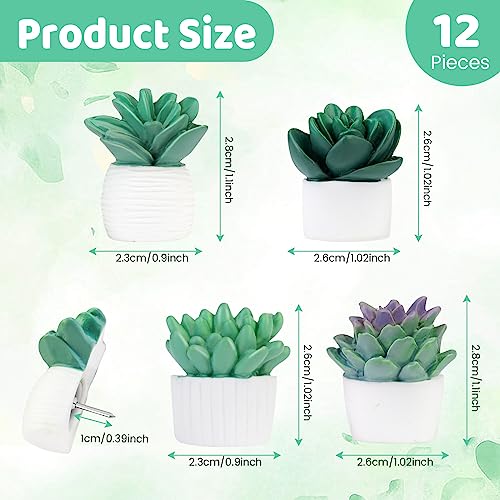
- Decorative Heads: Often seen in craft-heavy environments, these may feature colorful plastic or metallic finishes. While they serve a functional purpose, they are primarily chosen to complement the aesthetic of the room.
Pin Length and Point Sharpness
Not all pins are created equal. The length of the pin is critical to the surface you are working with. For thin corkboards or foam boards, a shorter pin is preferable to avoid the point protruding through the back of the board. However, if you are pinning items to drywall or wood, you will want a slightly longer pin to ensure the tack reaches a stable depth. Furthermore, pay attention to the 'taper' of the point. A precision-ground, sharp point will slide into the surface with minimal force, reducing the likelihood of the tack slipping and causing injury or damage to the wall.
Quantity and Packaging Logic
When purchasing tacks, consider the scale of your project. For small, occasional tasks like pinning a single note to a bulletin board, small packs are sufficient. However, if you are a teacher, a student, or an avid crafter, buying in bulk is significantly more cost-effective. Look for packaging that keeps the tacks organized. Loose tacks in a bag can be difficult to manage and can easily spill, creating a safety hazard on the floor. Reusable containers or sturdy boxes are a major plus for long-term storage.
Summary of Selection Logic
To make the best decision, match the tack to your primary surface. For heavy-duty mounting, prioritize steel construction and longer pins. For aesthetic decor, prioritize head shape and color. For high-frequency use, prioritize ergonomic, rounded heads that reduce finger fatigue. By balancing material strength with the specific needs of your wall surface, you can ensure your displays remain secure and your surfaces remain pristine.