Understanding Density and Shore Hardness
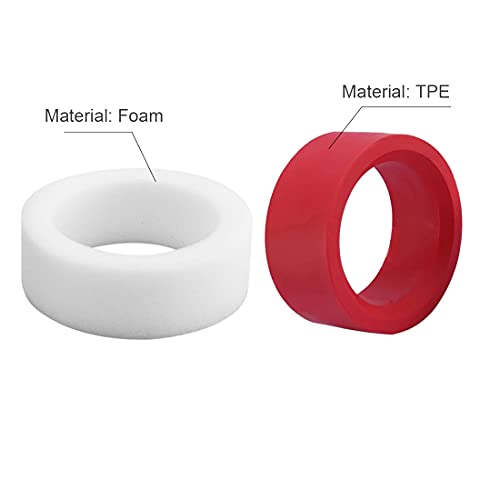
The most critical factor in choosing a foam insert is its density, often measured by its Shore hardness. Not all foams are created equal. If you choose an insert that is too soft, it will fail to support the sidewall at low pressures, leading to 'tire roll' where the tire folds over during hard cornering. Conversely, an insert that is too dense or hard can make the tire feel overly stiff, robbing you of the compliance needed to track over rocks and roots. For technical rock crawling, a medium-density foam is often preferred to allow the tire to wrap around obstacles. For high-speed desert racing, a higher-density foam is essential to prevent the tire from wobbling or deflecting at high velocities.
There is a constant tug-of-war between stability and grip. A robust foam insert acts as a structural skeleton, preventing the tire from collapsing under lateral loads. This is vital when you are aired down to single-digit PSI. However, the insert also influences how the tread block interacts with the ground. An insert that provides too much support can effectively 'stiffen' the entire tire carcass, reducing the contact patch and decreasing traction. When shopping, consider your primary riding environment: if you prioritize maximum footprint on slick surfaces, look for an insert that offers targeted sidewall support rather than full-tire rigidity.
Weight and Rotational Mass
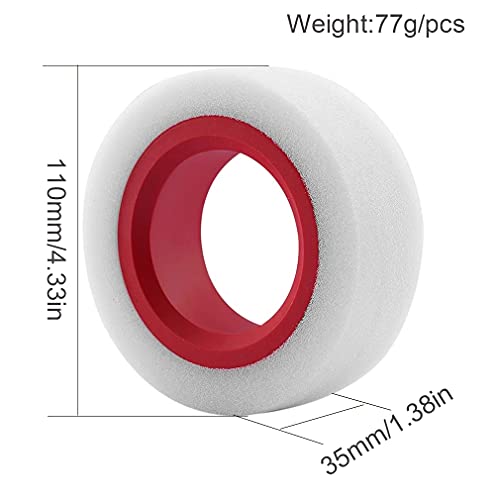
In the world of performance off-roading, weight is the enemy. Adding foam inserts increases the total weight of your wheel assembly. More importantly, it increases the rotational mass. High rotational mass requires more energy to accelerate and more braking force to stop, which can affect suspension tuning and throttle response. Look for high-quality, closed-cell foams that offer maximum structural integrity with minimal weight. Some premium inserts use advanced cellular structures to provide the necessary support while remaining significantly lighter than traditional, heavy-duty foam blocks.
Durability and Heat Management
Tire inserts undergo intense stress, including constant compression, expansion, and friction against the inner liner of the tire. Low-quality foams may begin to crumble, compress permanently (losing their effectiveness), or even tear under heavy load. Once an insert begins to degrade, it can create uneven pressure distribution, leading to vibration and potential tire damage. Additionally, consider how the foam handles heat. During long, high-speed runs, the friction and internal air temperature can rise. A high-quality insert should maintain its structural properties even as temperatures fluctuate.
Installation and Fitment Precision
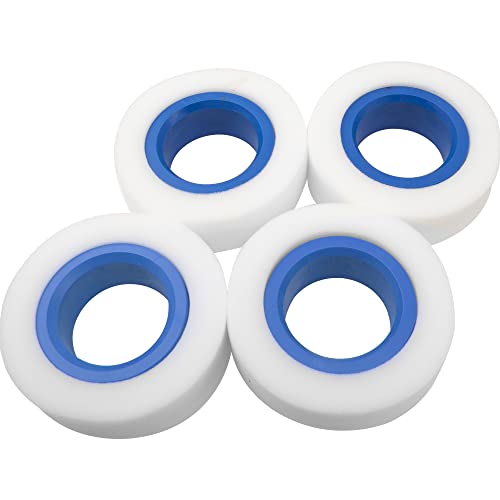
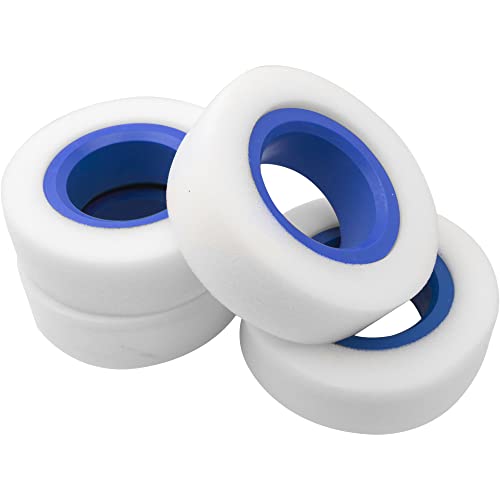
An insert that does not fit perfectly is worse than no insert at all. If the foam is too small, it will shift inside the tire, causing massive vibrations and potential damage to the rim. If it is too large, it can put undue stress on the bead or prevent the tire from seating correctly. Always ensure the foam is designed specifically for the tire width and rim diameter you are utilizing. Precision-cut inserts that match the internal geometry of your specific tire profile will provide the most consistent performance and the longest lifespan.