Understanding Tire Categories and Use Cases
Before looking at brands, you must define your driving environment. Tires are not one-size-fits-all. A tire designed for high-speed stability on a dry highway will perform poorly in deep snow. Generally, tires fall into four major categories: All-Season, Summer, Winter, and All-Terrain. All-season tires are the most versatile, utilizing a compound that remains flexible across a wide range of temperatures. If you live in a moderate climate, these offer the best balance of longevity and grip. Summer tires prioritize maximum contact with the road through softer rubber compounds, making them ideal for performance driving, but they can harden and lose grip in freezing temperatures. Winter tires feature deep sipes (small slits in the tread) to bite into ice and snow, but they wear down rapidly in warm weather. Finally, All-Terrain tires feature aggressive, chunky tread blocks designed to provide traction in mud and dirt while maintaining enough composure for street driving.
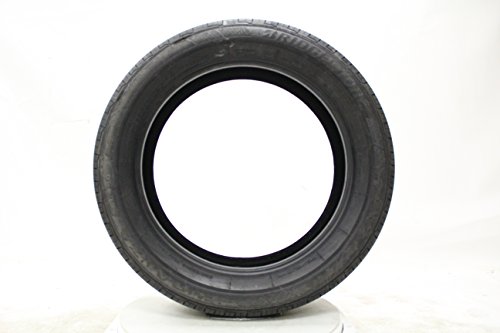
Every tire carries a standardized code on its sidewall that tells you exactly what it can handle. The most important factors to examine are the load index and the speed rating. The load index is a numerical code that indicates the maximum weight each tire can support. Failing to match or exceed your vehicle manufacturer's requirements can lead to catastrophic tire failure. The speed rating is a letter code (such as H, V, or Z) that indicates the maximum speed the tire can safely sustain under a specific load. While you may not always drive at these speeds, higher speed ratings often correlate with better handling and heat dissipation. Additionally, pay close attention to the UTQG (Uniform Tire Quality Grading) ratings, specifically the Treadwear, Traction, and Temperature ratings. A high treadwear number means the tire will last longer, while the traction rating tells you how well the tire stops on wet pavement.
When budgeting for a new set, you must decide whether you are prioritizing upfront cost, long-term value, or immediate performance. High-performance tires often use specialized silica-rich compounds that offer incredible cornering grip but tend to wear out much faster than standard touring tires. If your goal is to minimize the frequency of replacements, look for 'Touring' tires, which are engineered with harder compounds and more durable tread patterns designed to maximize mileage. Furthermore, consider the noise profile. If you drive long distances on highways, look for tires with variable pitch tread patterns, which are specifically designed to cancel out road hum and provide a quieter cabin experience.
The Importance of Seasonal Readiness
A common mistake is attempting to stretch the life of a tire beyond its intended seasonal window. Using all-season tires in extreme sub-zero temperatures can lead to 'glassing,' where the rubber becomes too hard to grip the road. Conversely, driving summer tires in heat can cause them to degrade prematurely. Always align your tire selection with your local seasonal extremes to ensure that your braking distances remain predictable in all weather conditions.