Material Integrity and Period Authenticity
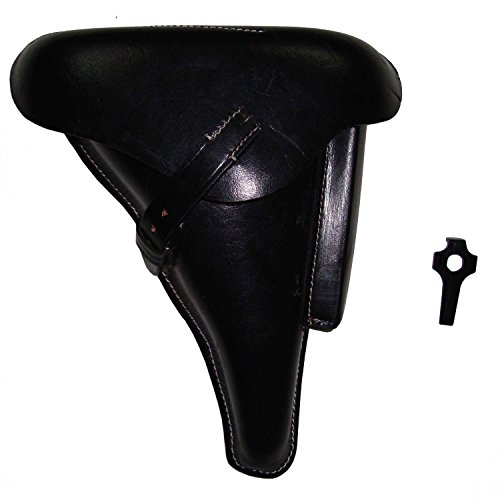
The most important decision factor when choosing a holster is the material. In the context of historical recreation, the material dictates the era and the level of realism. High-quality leather holsters offer superior durability and develop a beautiful patina over time, making them ideal for long-term collection pieces. However, for rugged outdoor reenactments, heavy-duty waxed canvas or thick nylon may be more practical due to their moisture resistance and ability to withstand abrasive contact with brush. When evaluating a holster, check the thickness of the material. A holster that is too thin will sag under the weight of a heavy tool, while one that is too rigid may make it difficult to draw your equipment quickly.
Attachment Methods and Belt Compatibility
A holster is only as good as its ability to stay in place. You must consider how the holster integrates with your existing gear. Most tool holsters utilize one of three attachment styles: belt loops, snap buttons, or integrated straps. If you are wearing a wide, heavy-duty utility belt, look for holsters with reinforced loops that won't stretch out. For more versatile setups, holsters with adjustable buckle straps allow you to mount the tool to a backpack, a thigh rig, or a waist belt. Pay close attention to the 'ride height'—the distance between your belt and the tool. A holster that sits too low can become cumbersome during movement, while one that sits too high might prevent a full sheath from entering the pouch.
Generic holsters often fail because they do not account for the specific geometry of the tool. A holster designed for a flat knife will not accommodate a tool with a protruding handle or a rounded head, such as a small hammer or awl. Before finalizing a purchase, measure the widest part of your tool, including any handles or ergonomic grips. Furthermore, consider the retention mechanism. For high-activity environments, a holster with a flap closure or a magnetic snap is preferable to an open-top design, as it prevents the tool from falling out during vigorous movement. For display purposes, an open-top design may be more aesthetically pleasing, but for functional use, security is paramount.
Reinforcement and Longevity
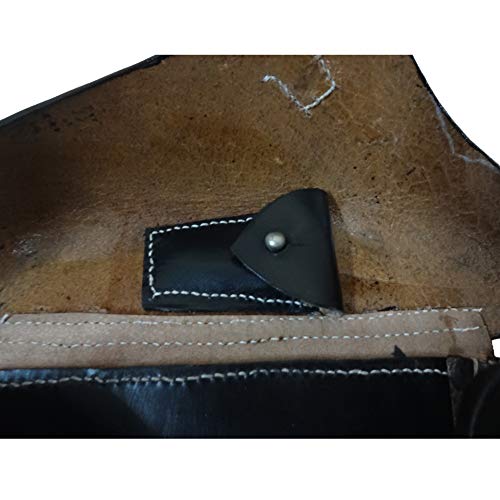
Because tools are inherently heavy and often have sharp edges, the interior of the holster must be robust. Look for holsters that feature reinforced stitching at high-stress points, such as where the belt loop meets the main body. Some premium holsters include an internal lining—such as soft suede or a smooth fabric—that prevents the tool from scratching the holster's exterior or damaging the tool's finish. If you plan on using your gear in wet or muddy conditions, ensure the stitching is weather-treated to prevent rot or degradation over time.