Understanding Tread Patterns and Siping
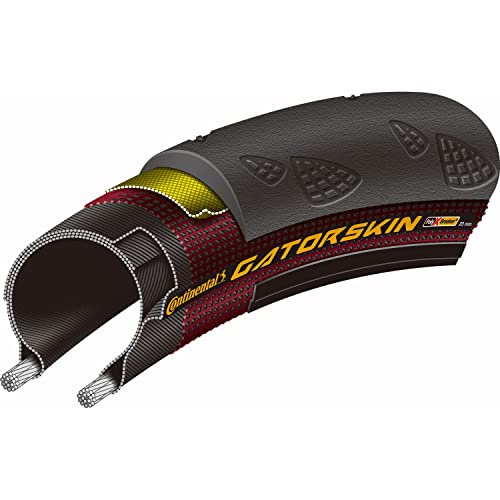
The most visible difference between touring tires and other categories is the tread design. Touring tires are engineered with deep longitudinal grooves designed to evacuate water, slush, and debris. When selecting a 110 tire, look closely at the 'siping'—the small slits within the tread blocks. Extensive siping provides superior traction on wet pavement and helps prevent hydroplaning, which is vital when carrying heavy luggage through unpredictable weather. However, be aware that a tire with extremely aggressive siping may feel slightly less 'planted' on dry, high-speed highway stretches compared to a smoother sport-touring profile. For pure long-distance highway cruising, prioritize grooves that channel water away from the center contact patch to maintain a straight line.
Compound Composition: Longevity vs. Grip
Touring riders face a unique challenge: they need tires that last thousands of miles but won't fail during a sudden rainstorm. This is managed through rubber compounds. Many premium touring tires utilize a dual-compound or multi-compound technology. In this setup, the center of the tire is made of a harder, more durable rubber to resist the abrasive wear caused by constant highway speeds and heavy loads. Meanwhile, the 'shoulders' (the sides of the tire) use a softer, more grippy compound to provide traction when you lean the bike into a mountain pass. If your riding style is 90% straight highways, prioritize a harder center compound. If your tours involve twisty canyon roads, look for a tire that emphasizes shoulder grip.
Load Index and Construction Stability
Because touring motorcycles are often loaded with panniers, top boxes, and a passenger, the load capacity of your 110 tire is non-negotiable. Always check the load index rating on the sidewall. A tire designed for a lightweight street bike may deform under the weight of a fully loaded touring rig, leading to overheating and rapid degradation. Furthermore, look for tires with reinforced carcasses. A stiffer sidewall provides better stability when the bike is heavily laden, preventing that 'wallowy' or sluggish feeling in the steering. A stable 110 tire ensures that the front end remains predictable, even when the center of gravity is shifted by extra gear.
Weather Versatility and Seasonal Use
True touring implies riding through various climates. If you frequently encounter damp morning dew or sudden afternoon showers, look for tires specifically rated for 'wet performance.' Some tires excel in dry heat but become greasy or lose grip when the temperature drops or the road gets slick. If you live in a region with significant temperature fluctuations, consider the silica content of the tire. Silica-rich compounds tend to remain more pliable and effective in cooler temperatures, providing better bite on cold asphalt.
Summary Recommendation Logic
To make your final decision, categorize your riding style: If you are a 'Highway Cruiser,' prioritize tread longevity and a hard center compound. If you are an 'Adventure Tourer,' prioritize deep grooves and puncture resistance. If you are a 'Sport Tourer,' prioritize shoulder grip and a more rounded profile for quick transitions. By aligning the tire's technical strengths with your specific touring mission, you ensure a safer and more predictable journey.