Understanding Load Capacity and Weight Distribution
The most significant difference between a standard tire and a touring-specific tire is the load index. Touring riders often carry significant weight in the form of panniers, top boxes, and passenger seating. This increased mass puts immense pressure on the tire sidewalls and carcasses. When selecting a tire, you must ensure the load rating is sufficient for your fully loaded setup. A tire that is under-rated for your weight will suffer from excessive heat buildup, which leads to rapid degradation and potential structural failure. Look for tires with reinforced sidewalls designed to maintain their shape even when the bike is heavily laden, ensuring that your steering remains predictable rather than feeling 'mushy' in turns.
Tread Compound and Longevity
Touring is a game of endurance. You want a tire that offers a high mileage rating without sacrificing grip in wet conditions. This is achieved through advanced silica compounds. Silica-rich compounds provide better 'wet grip' by allowing the rubber to remain flexible in cooler, damp temperatures, while also providing the durability needed for thousands of kilometers. Be wary of ultra-soft compounds found on sport tires. While they offer incredible grip, they will wear out far too quickly for a touring application. The ideal touring tire uses a dual-compound approach: harder rubber in the center tread to resist wear during long highway stretches, and softer rubber on the shoulders to provide confidence when navigating winding mountain passes.
Puncture Resistance and Construction
A flat tire in the middle of a remote stretch of road can turn a dream trip into a logistical nightmare. Therefore, puncture resistance should be a top priority. Many premium touring tires feature integrated protective layers, such as reinforced nylon or aramid belts, beneath the tread. These layers act as a shield against sharp debris like nails, glass, or flint. Additionally, consider the construction type. Radial construction generally offers better heat dissipation and a more stable footprint for heavy loads, whereas bias-ply construction can sometimes offer a more compliant, 'cushioned' feel on rougher surfaces, though it is less common in modern high-end touring setups.
Weather Versatility and Water Evacuation
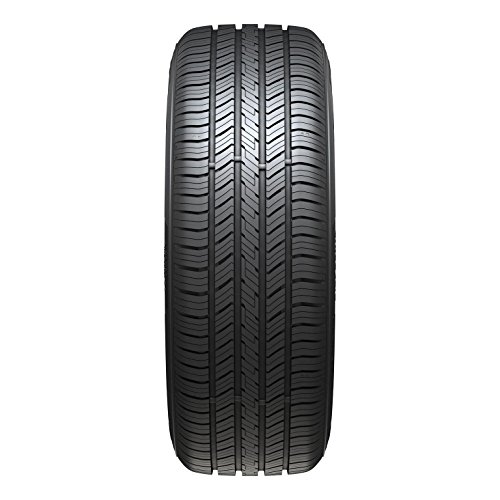
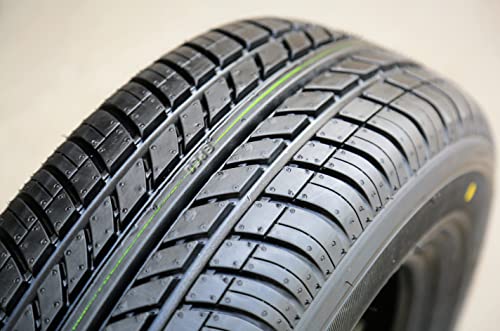
Touring riders rarely have the luxury of choosing their weather. You must be prepared for sudden downpours and varying road surfaces. Look for tread patterns with deep, wide grooves designed to evacuate water efficiently to prevent hydroplaning. A good touring tire will have a high 'siping' count—small slits in the tread blocks that provide extra biting edges for grip on wet asphalt. The goal is a tire that provides a consistent, predictable feel whether the road is bone-dry or soaking wet, allowing you to focus on the scenery rather than worrying about your traction.
Summary of Decision Logic
To make the right choice, follow this hierarchy: First, verify the load index matches your maximum loaded weight. Second, prioritize tires with high silica content for a balance of longevity and wet grip. Third, check for reinforced carcass construction to ensure stability. If you prioritize highway cruising, lean toward tires with a flatter profile and harder center treads. If your tours involve more technical, winding roads, look for a more rounded profile that facilitates easier transitions into leans.