Understanding Tread Patterns and Water Displacement
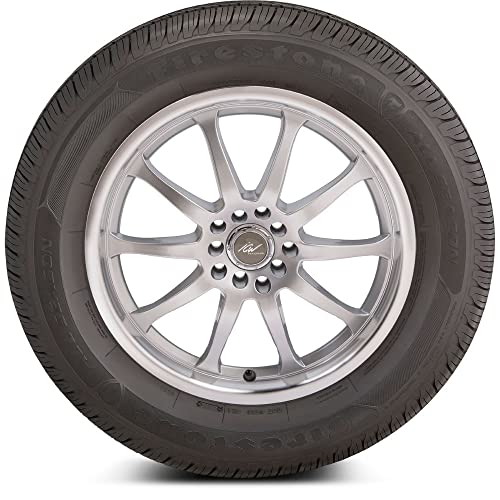
In the touring category, tread design is about more than just aesthetics. It is about managing the contact patch under load. Because touring bikes often carry significant weight in panniers and top cases, the tire must maintain a consistent footprint. Look for deep longitudinal grooves designed to evacuate water efficiently. High-quality touring tires utilize complex siping patterns—small slits in the tread blocks—to provide extra biting edges during wet cornering. If you frequently ride in unpredictable climates, prioritize a pattern that offers high lateral stability to prevent hydroplaning when the road surface becomes slick.
Compound Composition and Longevity
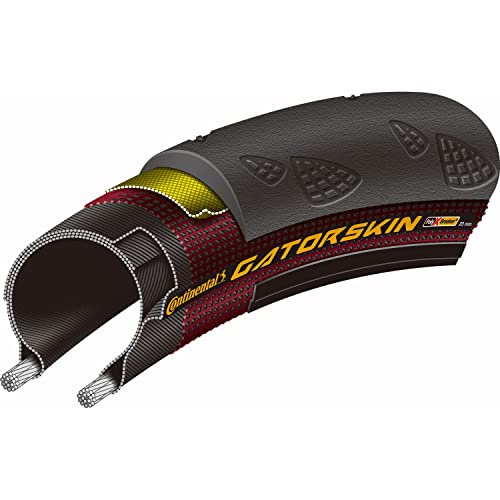
The greatest dilemma in tire selection is the trade-off between grip and mileage. Soft compounds offer incredible traction but tend to 'square off' or wear prematurely. Conversely, harder compounds last longer but can feel numb in the turns. Premium 95 touring tires often utilize dual-compound technology. This means the center of the tire—the part that experiences the most heat and friction during straight-line cruising—is made of a harder, more durable rubber. Meanwhile, the shoulders of the tire are composed of a softer, more compliant compound to provide grip when you lean into a curve. When shopping, look for mentions of silica-rich compounds, as silica improves wet grip without sacrificing the long-term durability required for multi-thousand-mile journeys.
Load Index and Construction Stability
Touring riders must pay closer attention to the load index than almost any other rider type. A tire rated for a single rider will behave very differently when loaded with a passenger and full gear. A higher load index indicates a reinforced carcass capable of maintaining its shape under pressure. If a tire deforms too much under weight, the handling becomes sluggish and heavy, which can be dangerous in emergency maneuvers. Look for tires with reinforced sidewalls. These provide the structural integrity needed to prevent 'wobble' at highway speeds when the bike is fully loaded.
Temperature Management and Heat Cycles
Long-distance riding often involves sustained high speeds for hours at a time. This generates significant internal heat within the tire. High-quality touring rubber is designed to manage these thermal cycles without losing its structural integrity. If a tire is poorly engineered, excessive heat can cause the rubber to become brittle or lead to uneven wear patterns, such as center-tread cupping. Seek out tires that are specifically marketed for 'high-speed touring' or 'long-distance stability,' as these have undergone testing to ensure they remain consistent even after hours of continuous heat exposure.
Decision Logic: How to Choose
To make your final decision, categorize your riding style. If you are a 'highway cruiser' who spends 90% of your time on interstates, prioritize maximum mileage and center-tread durability. If you are a 'sport-tourer' who enjoys twisty mountain passes on your way to a destination, prioritize a dual-compound tire with more aggressive shoulder profiles. Always check the expected mileage ratings and prioritize tires that offer a predictable transition from the center to the edge of the tread, ensuring that your bike feels as stable in a lean as it does on a straightaway.