Understanding Tread Patterns and Terrain Compatibility
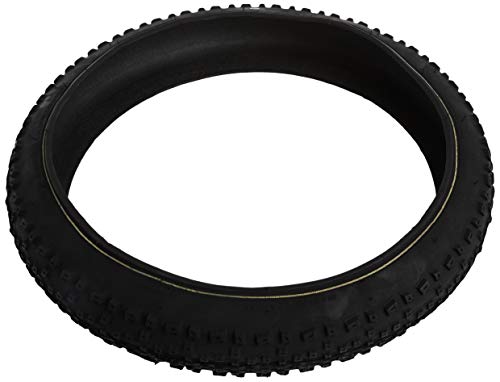
The first decision in selecting a 125 trail tire is identifying where you spend 80% of your riding time. Trail riding is rarely a single-surface discipline, but your primary environment dictates the tread geometry you need. For riders who frequent forest service roads and hard-packed singletrack, a 'semi-knobby' pattern is ideal. These tires feature closely spaced lugs that provide stability and a smoother ride on firmer ground without the excessive vibration of a pure dirt tire. If your adventures lean toward loose loam, sand, or mud, you must prioritize a tire with deep, widely spaced lugs. These gaps allow the tire to 'self-clean,' shedding mud as the wheel rotates so the tread doesn't become a slick, useless block of clay. For the 125cc rider, look for a tread that offers enough bite to find traction in low-speed technical sections where engine power is limited.
Compound Hardness and Longevity
Tire compounds are generally categorized into soft, medium, and hard. Soft compounds offer incredible 'mechanical keying,' meaning the rubber deforms into the irregularities of the ground to create massive grip. However, they wear out rapidly and can feel 'squishy' or unstable at higher speeds. Harder compounds last significantly longer and are more resistant to punctures and tearing from sharp rocks, but they can feel deflective or 'skittish' on slippery surfaces. For a 125cc trail bike, a medium-compound tire is often the sweet spot. It provides enough compliance to absorb small bumps and find grip in corners, while maintaining enough structural integrity to survive a season of weekend adventures without needing a replacement.
Weight and Rotational Inertia
One often overlooked factor in the 125cc category is the weight of the tire itself. Because these bikes have smaller engines, they are highly sensitive to changes in rotational mass. A heavy, overbuilt tire can make the bike feel sluggish during acceleration and harder to flick through tight corners. When browsing options, look for tires that emphasize a lightweight construction. A lighter tire allows the engine to spin up more quickly, which is vital when you are trying to power through a technical obstacle or a steep, loamy hill. The goal is to find a tire that provides ruggedness without adding unnecessary centrifugal weight that hampers the bike's natural nimbleness.
Sidewall Strength and Pinch Flat Protection
Trail riding often involves navigating over roots, rocks, and fallen branches. This puts immense pressure on the tire's sidewalls. If you run lower tire pressures to increase your footprint and grip—a common practice in trail riding—you increase the risk of a 'pinch flat,' where the tube is squeezed between the rim and an object. Look for tires with reinforced sidewalls or 'staggered' construction that offers protection against impacts without making the tire too stiff to follow the contour of the ground. A tire that is too stiff will bounce off obstacles rather than absorbing them, which can lead to loss of control in technical terrain.