Understanding Tread Patterns and Terrain Compatibility
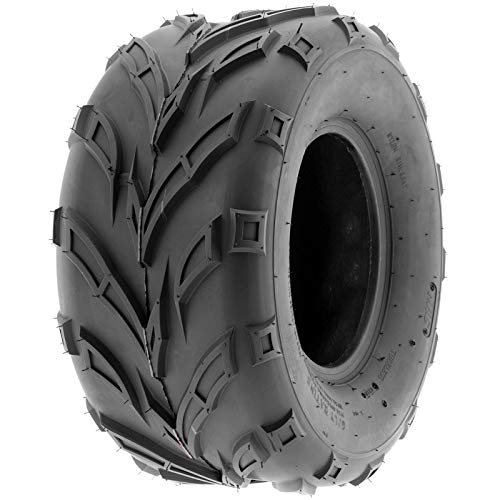
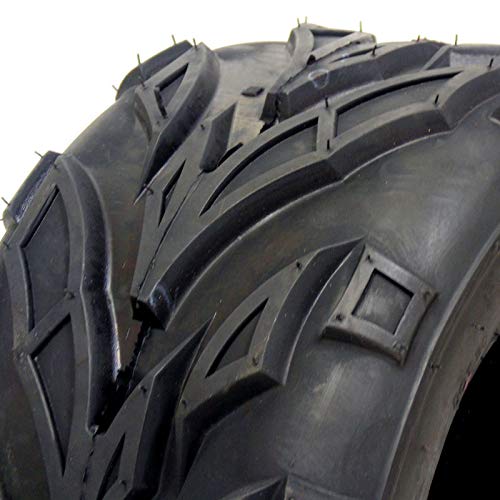
The most important factor in your decision is the intended environment. Trail tires generally fall into three categories: All-Terrain (AT), Mud-Terrain (MT), and Hybrid patterns. If your driving consists of 70% highway commuting and 30% light forest service roads, an All-Terrain tire is your best bet. These feature tighter tread blocks that reduce road noise and improve fuel efficiency while still providing grip on dirt and gravel. However, if you frequently encounter deep mud, thick sludge, or jagged rocks, you must look toward Mud-Terrain tires. These feature much larger, widely spaced tread lugs designed to 'self-clean' by ejecting debris as the tire rotates. While they offer unmatched grip in soft soil, expect significantly more vibration and noise on paved roads.
The Importance of Sidewall Strength and Construction
When off-roading, your sidewalls are just as important as your tread. A tire might have incredible grip, but if the sidewall is thin, a single sharp rock can result in a costly puncture. Look for tires that feature reinforced sidewall technology or multiple plies of construction. This is particularly vital if you plan on 'airing down'—lowering your tire pressure to increase the footprint for better traction. A robust sidewall allows the tire to deform over obstacles without collapsing or tearing. If you frequently traverse rocky landscapes, prioritize a tire with a higher ply rating or specific puncture-resistance branding.
Rubber Compounds and Longevity
The chemistry of the rubber determines how the tire reacts to temperature and surface abrasions. Softer rubber compounds provide superior grip on slick surfaces like wet rocks or mossy trails, but they tend to wear down much faster, especially if you spend significant time on asphalt. Conversely, harder compounds are designed for longevity and high-mileage durability, making them ideal for long-distance overland expeditions. When choosing, consider your 'duty cycle': do you need a tire that lasts three seasons of intense weekend abuse, or a tire that will carry you through a 50,000-mile journey across various terrains?
Load Index and Speed Ratings
Do not overlook the technical specifications found on the sidewall. The load index tells you how much weight each tire can safely support, which is crucial if you have outfitted your vehicle with heavy bumpers, winches, or roof racks. Similarly, while speed ratings are often secondary in the off-road world, they do impact the heat dissipation of the tire. A tire rated for higher speeds generally handles the thermal stresses of highway driving better, which can prevent overheating during long transit stretches between trailheads.
Summary Recommendation Logic
To make your final choice, follow this logic: If you want a 'set it and forget it' tire for daily driving and occasional trails, choose an All-Terrain with a reinforced sidewall. If you are a dedicated weekend warrior focused on technical obstacles, prioritize a Mud-Terrain with aggressive self-cleaning lugs. If you are an overlander focused on reliability and distance, look for a hybrid pattern that emphasizes tread longevity and high load capacity.