Understanding Tread Patterns and Compound Density
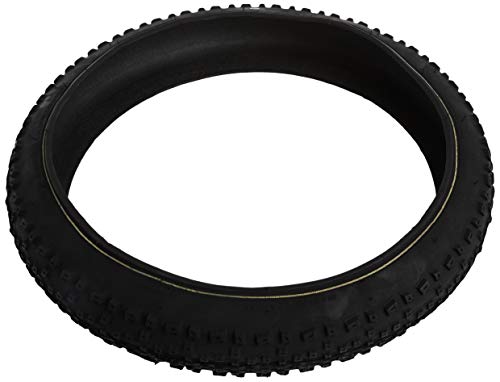
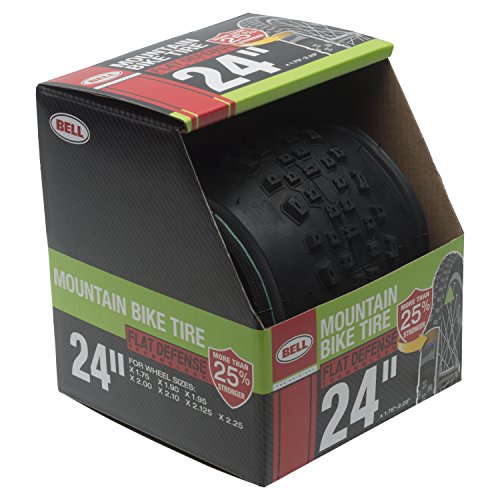
The most immediate visual difference in trail tires is the tread pattern. For 75-series applications, you are looking for a balance of 'void ratio'—the amount of space between the tread blocks. High void ratios are essential for shedding mud and preventing the tire from becoming a smooth, slick surface when wet. If you frequently encounter loose dirt or soft loam, look for aggressive, widely spaced lugs that can bite deep into the ground. However, if your trails are primarily hard-packed or rocky, overly aggressive lugs can actually decrease your contact patch on flat surfaces, leading to 'squirm' or instability. Additionally, consider the rubber compound. A softer compound offers superior grip on slick rock but tends to wear down faster, whereas a harder compound provides longevity and better resistance to sidewall abrasions at the cost of some peak traction.
Sidewall Strength and Puncture Resistance
In trail riding, the sidewall is often the most vulnerable part of the tire. When navigating ruts or rocky outcrops, the side of the tire is frequently subjected to lateral forces and sharp impacts. When evaluating options, look specifically for reinforced sidewall technology. Some tires utilize multiple layers of high-density cord to prevent 'pinch flats'—a common occurrence when riding at lower pressures to increase traction. A tire with a robust, thick sidewall will provide better stability during cornering on uneven terrain, but it may feel slightly heavier and less responsive in quick transitions. You must decide if you prioritize the peace of mind that comes with heavy-duty protection or the agility of a lighter, more flexible sidewall.
Traction Dynamics: Mud vs. Rock vs. Sand
Your primary terrain should dictate your final selection. For rock crawling or technical climbing, you need a tire with large, blocky tread elements that can deform around obstacles to create a mechanical lock. For sandy or silty environments, a tire that can maintain a wide footprint is vital to prevent sinking. If your riding is multi-terrain, seek a 'hybrid' tread pattern—one that features a continuous center rib for stability on harder sections but aggressive shoulder lugs for cornering in loose dirt. This versatility ensures you aren't struggling with a tire that is too specialized for anything but one specific type of trail.
Weight and Rotational Mass Considerations
It is easy to forget that tires are rotational mass. A heavier, more reinforced tire provides incredible durability, but it also requires more energy to accelerate and can make steering feel sluggish. If you are looking for a high-performance feel where quick direction changes are paramount, look for tires that optimize the strength-to-weight ratio. A tire that is unnecessarily heavy can negatively impact your suspension's ability to react to high-speed bumps, as the increased unsprung weight makes it harder for the components to track the ground accurately.