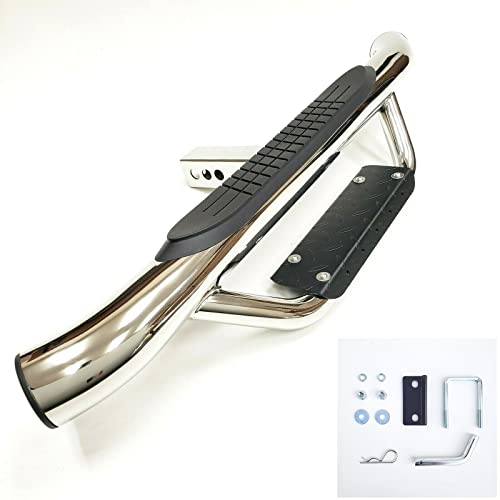
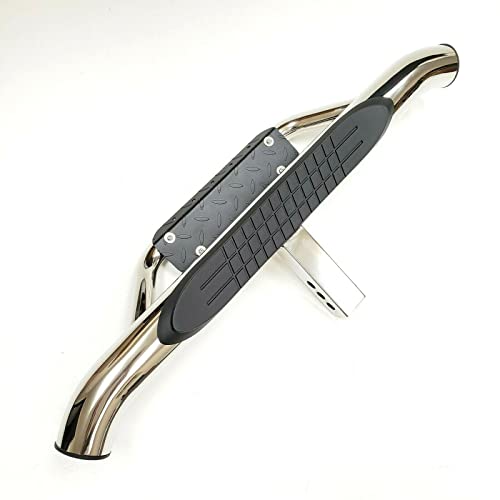
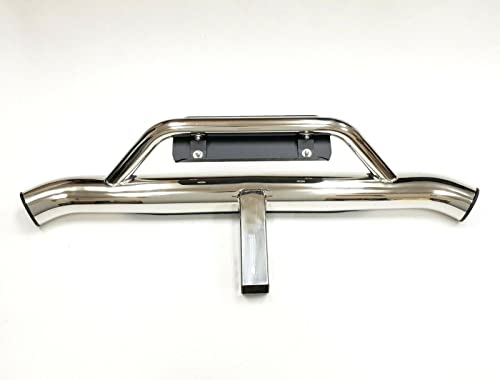
Material Composition and Durability
The longevity of your trailer steps is primarily determined by the materials used in their construction. Because trailer steps are frequently exposed to varying weather conditions, moisture, and heavy foot traffic, you must prioritize corrosion resistance. Aluminum is a premier choice for many users due to its high strength-to-weight ratio and natural resistance to rust. However, if your environment involves extreme industrial use or heavy chemical exposure, you may want to look for reinforced steel components with specialized powder coatings. When evaluating a product, look for non-slip textures integrated directly into the material rather than just surface-level coatings, as coatings can peel or wear down over time, creating a slipping hazard.
Load Capacity and Structural Stability
One of the most overlooked aspects of selecting trailer steps is the weight rating. A step that feels sturdy when empty may buckle or wobble when a person carrying heavy equipment steps onto it. Always verify the maximum load capacity to ensure it exceeds the combined weight of the user and any gear they are carrying. Furthermore, consider the mounting mechanism. Steps that utilize a multi-point attachment system or are designed to integrate directly with the trailer's chassis provide significantly more stability than those that rely on simple friction or lightweight brackets. A stable step should not shift laterally when weight is applied to the outer edge.
Step Geometry and Ergonomics
The physical dimensions of the steps—specifically the tread depth and riser height—dictate how easy it is to use the product. For trailers that are elevated significantly off the ground, a single-step design may be insufficient and potentially dangerous. In these cases, a multi-tiered step system is preferable to distribute the vertical climb. Look for a generous tread depth. A wider surface area provides a more secure footing, which is especially important when wearing heavy work boots or when the surface is wet. Additionally, consider the angle of ascent. A step that is too steep requires more effort and increases the risk of a fall, whereas a more gradual incline offers a smoother transition.
Installation and Compatibility
Before finalizing your purchase, you must assess how the steps will interface with your specific trailer setup. Some steps are designed as universal additions, while others are engineered for specific mounting points. Check for compatibility with your trailer's frame height and the clearance available beneath the entrance. If you prefer a modular approach, look for steps that allow for height adjustments, which can be invaluable if you frequently change the load or the suspension height of your trailer. Ease of installation is also a factor. If you do not have specialized welding equipment, opt for bolt-on designs that provide a secure, permanent fit without the need for complex fabrication.