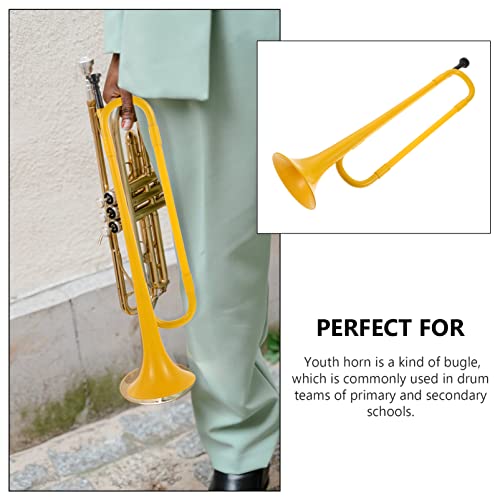
Understanding the Core Mechanics: Valves and Pistons
The heart of any trumpet is its valve system. Most modern trumpets utilize piston valves, which move vertically to redirect airflow. When evaluating a trumpet, the smoothness of these valves is paramount. You are looking for a mechanism that moves with minimal resistance and returns instantly to the top position without sticking. If the valves feel 'gritty' or require excessive force to actuate, you will struggle with rapid passages and consistent intonation. High-quality instruments feature precision-machined valve casings that ensure a tight seal while maintaining a fluid motion, which is essential for both technical speed and air efficiency.
Material Composition and Bell Construction
The metal used in the construction of the trumpet significantly influences its sonic fingerprint. Most trumpets are crafted from yellow brass, which offers a bright, clear, and piercing sound favored in orchestral and jazz settings. However, you may also encounter instruments made from gold brass (which has a higher copper content) or rose brass. These materials tend to produce a warmer, darker, and more resonant tone. The bell is equally critical. It acts as the megaphone for the instrument. A well-tapered bell allows for better projection and helps the player manage the transition between different registers. Pay attention to the weight of the instrument as well. A heavier bell can provide more stability in the sound, whereas a lighter build might offer more ease of response.
The Importance of Leadpipe and Bore Size
The leadpipe is the first section of tubing the air enters after passing through the mouthpiece. A well-designed leadpipe ensures a smooth transition of air into the valve block, which directly affects the instrument's resistance. When shopping, consider the bore size—the diameter of the tubing. A medium bore is the standard for most general-purpose trumpets, providing a balanced feel. If you are looking for a more traditional orchestral sound, a larger bore might be preferable, whereas a smaller bore can make the instrument feel more responsive and easier to blow, though it may lack depth in the lower register.
Intonation and Tuning Slides
A trumpet is only as good as its ability to stay in tune. One of the most important features to inspect is the tuning slide. It should move freely and allow for precise, micro-adjustments to the overall pitch. Additionally, check the third valve slide. This is crucial for playing certain notes accurately in the middle register. If the slides are difficult to move or feel loose and 'wobblier' than they should be, it can lead to air leaks that sap your energy and ruin your intonation. Consistent pitch across all registers is the hallmark of a well-constructed instrument.
Maintenance and Longevity Factors
Finally, consider the ease of maintenance. Brass instruments require regular cleaning and lubrication. Look for instruments with high-quality plating—such as silver or lacquer—that is applied evenly to prevent corrosion. Ensure that the water keys (spit valves) operate smoothly and do not leak air. A trumpet that is easy to disassemble for cleaning will remain in peak playing condition for much longer, protecting your investment and ensuring a consistent musical experience over years of practice.