Understanding Your Wheel Material
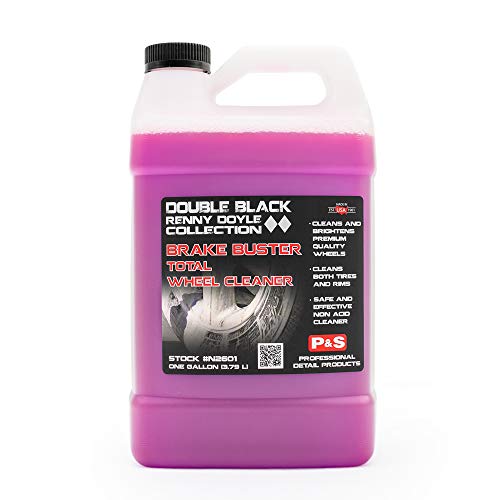
The most critical decision in selecting wheel care products is identifying the substrate of your wheels. Not all cleaners are created equal, and using the wrong pH level can cause irreversible damage. For example, highly acidic cleaners are excellent for dissolving stubborn, baked-on brake dust from performance calipers, but if used on delicate powder-coated or polished aluminum wheels, they can etch the surface. Conversely, extremely alkaline cleaners might struggle with heavy metallic buildup. Always check if a product is specifically labeled as 'pH-neutral' if you want a safe, versatile option for weekly maintenance, or look for 'acidic' formulations if you are performing a heavy-duty decontamination.
The Role of Decontamination Agents
Standard soap and water are rarely enough for a deep clean. To truly restore wheel clarity, you need specialized decontamination products. Look for 'iron removers'—these are chemical agents that react with iron particles (brake dust) embedded in the wheel's clear coat. A high-quality iron remover will change color (often to deep purple) as it reacts with the metal, indicating that it is working. This chemical process is much safer than aggressive mechanical scrubbing, which can lead to swirl marks and micro-scratches. For those with heavy buildup, a combination of a dedicated wheel cleaner and a chemical iron decontaminant is the gold standard.
Protection and Longevity: Sealants vs. Coatings
Once the wheels are surgically clean, the next step is protection. You have three primary paths: waxes, sealants, or ceramic coatings. Wheel waxes provide a quick, high-gloss finish but lack durability, often washing away after a few car washes. Wheel sealants are more robust, offering longer-lasting hydrophobic properties that make future cleaning much easier by preventing brake dust from bonding to the surface. For the ultimate enthusiast, ceramic coatings offer the highest level of protection, creating a semi-permanent chemical bond that resists heat and chemicals. When deciding, consider your frequency of maintenance: if you enjoy detailing every weekend, a wax is fine. If you want 'set it and forget it' protection, invest in a dedicated ceramic sealant.
The chemistry is only half the battle. The mechanical application determines the finish. Avoid using old sponges or harsh kitchen scrubbers, which will mar the finish. Instead, look for soft-bristled wheel brushes designed to reach into the lug nut recesses and deep into the barrel of the wheel. A dedicated 'boar's hair' brush is ideal for delicate surfaces, while stiffer synthetic brushes are better for the heavy-duty cleaning of the wheel barrels. Additionally, ensure you have microfiber towels specifically designated for wheels. Using the same towel on your wheels that you use on your paint can transfer grit and cause scratches across your vehicle's bodywork.
Summary Recommendation Logic
To build your perfect kit, follow this logic: Start with a pH-neutral cleaner for routine maintenance to ensure safety. Add an iron-dissolving spray for monthly deep cleans to manage brake dust. Finish with a high-quality sealant to reduce the effort required for every subsequent wash. By matching the chemical strength to the wheel material and using soft-touch tools, you ensure your wheels remain showroom-ready for years.