Understanding Blade Construction: Frame vs. Beam
The most critical decision you will make is choosing between traditional frame blades and modern beam blades. Traditional frame blades utilize a metal skeleton to distribute pressure across the rubber element. These are often more affordable and can be effective in lighter rain, but they are prone to ice buildup in the joints during winter, which can cause them to lift off the glass.
Beam blades, on the other hand, feature a single, continuous piece of curved tensioning material without a visible metal frame. This design is highly sought after because it provides more uniform pressure across the entire length of the blade and is much more resistant to snow and ice accumulation. If you live in a climate with harsh winters or frequent freeze-thaw cycles, investing in a high-quality beam blade is almost always the superior choice for consistent performance.
Material Matters: Natural Rubber vs. Silicone
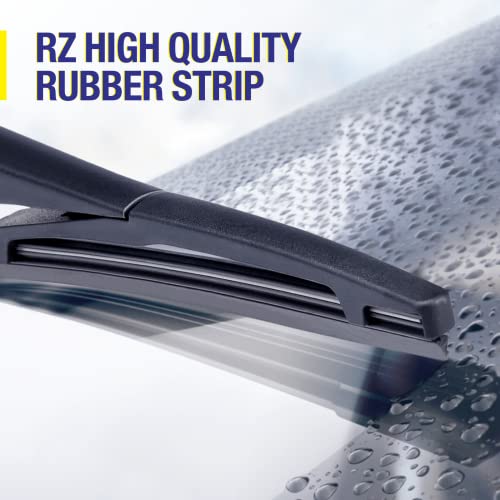
The material that makes up the wiping edge determines how long the blades will last and how smoothly they will glide. Natural rubber is the industry standard. It is flexible and provides excellent contact with the windshield. However, natural rubber can degrade more quickly when exposed to intense UV rays and extreme heat.
Silicone blades are a premium alternative. While they typically come with a higher price tag, silicone is significantly more resistant to heat and ozone degradation. A unique benefit of many silicone blades is that they can actually leave a thin, water-repellent coating on your windshield as they wipe, which helps water bead off more effectively. If you park your car outdoors in high-sunlight areas, silicone blades offer a much better long-term value due to their extended lifespan.
Pressure Distribution and Aerodynamics
A common complaint among drivers is 'chatter'—that annoying vibrating sound a blade makes when it skips across the glass. This is usually caused by uneven pressure distribution. High-end blades are engineered with specific tensioning systems to ensure that the edge remains in constant, even contact with the curvature of your windshield.
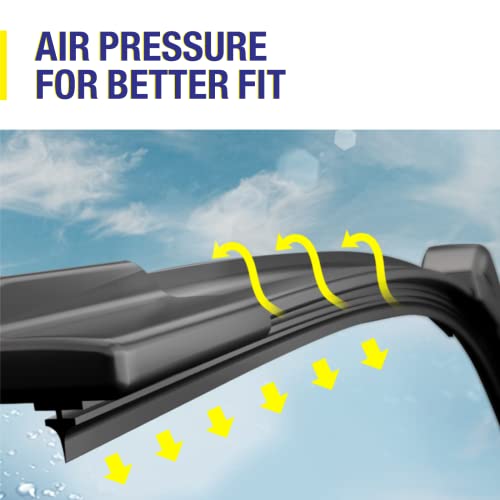
Furthermore, look for blades with aerodynamic spoilers or integrated wind deflectors. At highway speeds, wind resistance can actually lift a wiper blade off the glass, causing it to lose contact and leave streaks. Aerodynamic designs use the airflow to push the blade more firmly against the windshield, ensuring clarity even when you are driving at high speeds in a downpour.
The Importance of the Connector Type
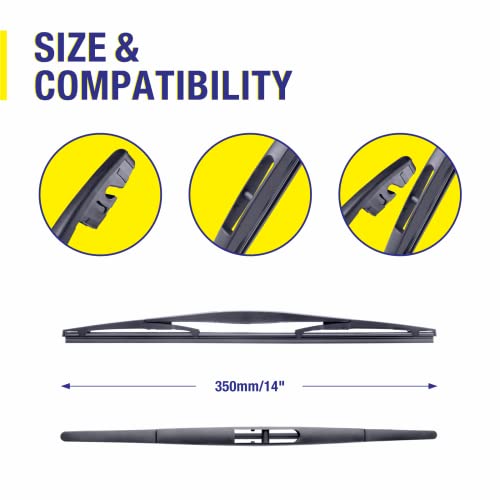
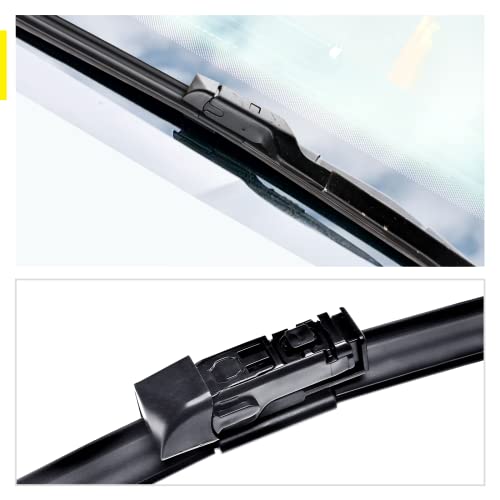
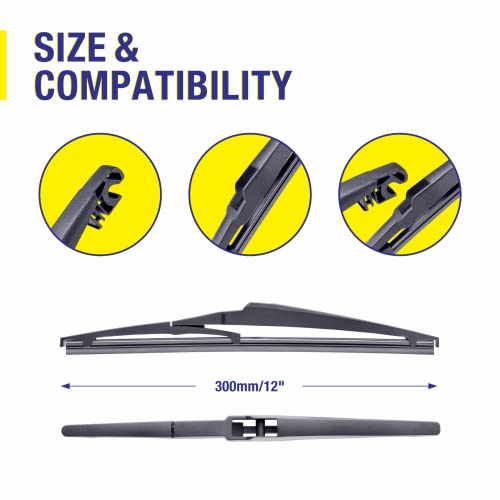
Before finalizing your purchase, you must ensure the blade's attachment mechanism is compatible with your vehicle's wiper arm. While many premium sets include a variety of adapters to accommodate different styles—such as J-hooks, side pins, or pinch tabs—it is vital to verify this compatibility. A poor fit can lead to the blade flying off during use or failing to apply the necessary pressure, rendering the entire purchase useless regardless of how high the quality of the rubber may be.