Prioritize the Upper Material
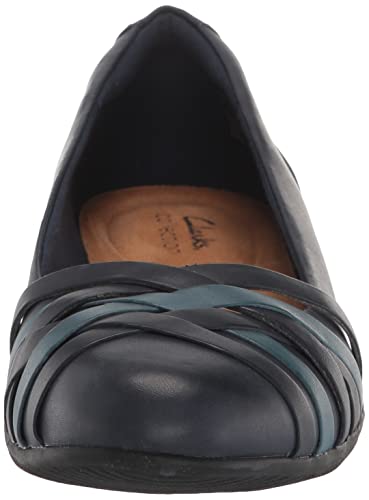
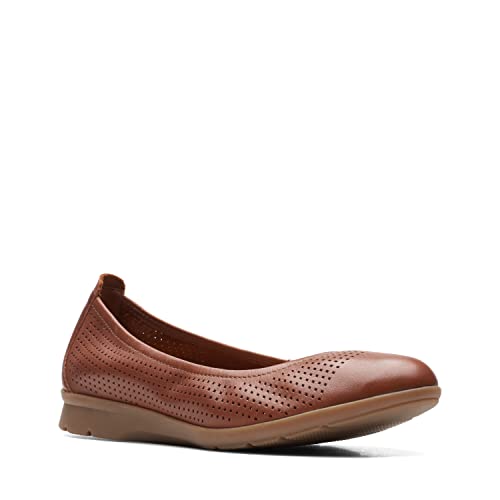
The longevity and comfort of a ballet flat are dictated primarily by the material used for the upper. Clarks typically offers three main categories: genuine leather, suede, and synthetic textiles. If you intend to wear these flats daily, high-quality leather is the gold standard. Leather offers natural breathability and, most importantly, a 'break-in' period where the material molds to the unique contours of your foot. Suede provides a softer, more bohemian aesthetic that is excellent for casual wear, though it requires more maintenance to protect against moisture. If you are looking for a budget-friendly or highly decorative option, synthetics are available, but they lack the adaptive qualities of natural hides and may not breathe as effectively during long periods of wear.
Understand Cushioning Technologies
The primary reason to choose a Clarks ballet flat over a generic fast-fashion alternative is the internal engineering. Do not simply look at the color. Look at the tech. Many models feature specialized footbeds designed for impact absorption. Look for terms related to dual-density cushioning or contoured footbeds that provide arch support. A common mistake is buying a flat that is too thin. A high-quality ballet flat should have a visible layer of foam or gel within the insole to prevent the 'ground feel' that leads to heel pain and fatigue. If you have high arches or flat feet, prioritize models that explicitly mention anatomical shaping in the insole.
Assess Sole Flexibility and Grip
A ballet flat should be flexible enough to move with your foot, but not so flimsy that it offers no protection from the pavement. When evaluating a pair, perform a gentle 'flex test.' The shoe should bend at the ball of the foot, not in the middle of the arch. Furthermore, pay close attention to the outsole. Some ballet flats feature a very thin, smooth sole that can be dangerously slippery on polished indoor floors or wet sidewalks. Look for models with textured rubber outsoles or crepe soles, which provide superior traction and durability, making them better suited for urban environments.
Consider the Toe Box Shape
The silhouette of the toe box significantly impacts both style and comfort. Round-toe ballet flats are the classic choice, offering more room for the toes to spread naturally, which is ideal for those with wider feet or those who experience swelling throughout the day. Pointed-toe flats offer a more sophisticated, elongated look that works well with professional trousers or dresses, but they can compress the toes. If you opt for a pointed style, ensure the toe box has enough depth to prevent pinching. For maximum versatility, a slightly almond-shaped toe often serves as the perfect middle ground between elegance and ergonomic comfort.
Fit and Sizing Nuances
Because many Clarks ballet flats are designed with a snug, 'hugged' fit to prevent the heel from slipping out, sizing can be tricky. If you are between sizes, it is generally safer to size up in a ballet flat, especially if you plan to wear thin hosiery or if your feet tend to swell in the afternoon. Always check if the specific model offers width variations, as many of their comfort-focused lines include wide-fit options that can prevent the dreaded 'side-of-foot' pressure common in narrower silhouettes.