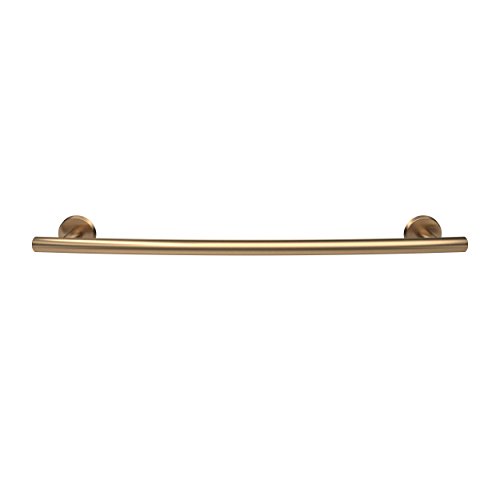
Understanding Material Composition and Finish Durability
The first decision factor in selecting a bar is the core material. High-quality bars are typically constructed from solid brass, zinc alloys, or stainless steel. Solid brass is the gold standard for longevity and weight, providing a premium feel, whereas zinc alloys are often used for more intricate designs and are highly cost-effective. Stainless steel is the premier choice for high-moisture environments, such as bathrooms, due to its inherent resistance to corrosion and rust.
Beyond the base metal, the finish is paramount. Since bars are high-touch surfaces, the finish must be applied using advanced electroplating or powder-coating techniques to prevent peeling or tarnishing. If you are selecting a bar for a bathroom, prioritize finishes like brushed nickel or chrome that resist water spots. For kitchen cabinetry, matte black or satin brass finishes offer a modern, sophisticated look, but ensure they are rated for high-frequency contact to prevent premature wear from oils on the skin.
Measuring Center-to-Center Distance
One of the most common mistakes in hardware selection is ignoring the 'center-to-center' measurement. This refers to the distance between the two mounting holes of the bar. If you are replacing existing hardware, you must measure the distance between the center of one screw hole to the center of the next. If your new bar does not match this exact dimension, you will be forced to drill new holes in your cabinetry or doors, which can compromise the structural integrity and visual appeal of your furniture. If you are designing from scratch, you have more flexibility, but standardizing these measurements across a room ensures a cohesive, professional look.
Assessing Load Capacity and Mounting Style
Not all bars are created equal when it comes to weight distribution. A decorative bar used for cabinet pulls requires very little structural strength, but a towel bar or a wardrobe rod must be able to support significant weight without bowing or pulling away from the wall. Look for bars that feature reinforced mounting brackets or thicker gauge metal.
Furthermore, consider the mounting style. Some bars are designed for direct screw mounting, while others utilize decorative rosettes or flanges to cover the mounting hardware. For a seamless, minimalist aesthetic, look for bars with hidden fasteners. For a more industrial or traditional look, exposed mounting hardware can serve as a design element in its own right.
Style Integration and Proportionality
Finally, consider the visual weight of the bar. A thick, chunky bar provides a sense of stability and works well in modern or farmhouse-style interiors, but it can overwhelm small drawers. Conversely, slim, slender bars are ideal for contemporary, minimalist spaces but may feel too delicate for heavy-duty use. Always visualize the bar in relation to the surface it is attached to. A long, horizontal bar on a small drawer can look disproportionate, whereas a vertical bar on a tall pantry door can create an illusion of height.