Prioritize Fabric Composition and Texture
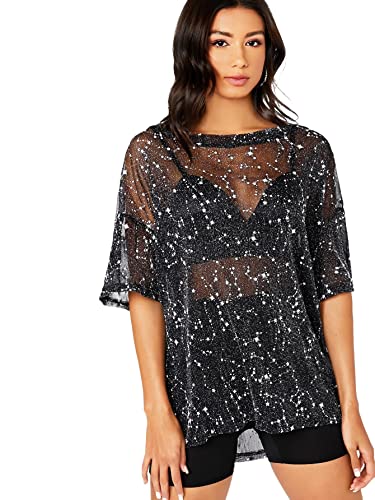
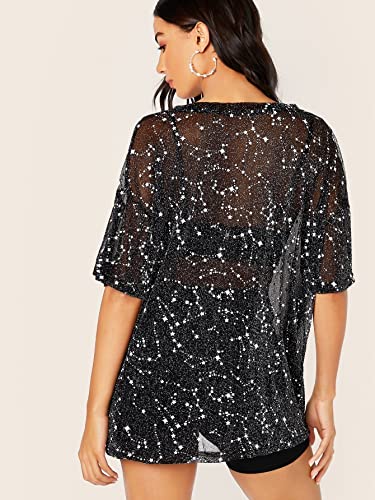
The most critical factor in selecting a wdirara blouse is the material. Since button-down shirts are often worn throughout long workdays or warm afternoons, breathability is paramount. If you are looking for a formal, structured look that holds its shape under a blazer, seek out cotton-rich blends or poplin weaves. These provide a crispness that resists excessive wrinkling. Conversely, if your goal is a soft, flowing aesthetic that drapes elegantly over the hips, opt for polyester blends, chiffon, or rayon. These synthetic and semi-synthetic fibers are excellent for achieving that 'liquid' movement, though they may require more careful steaming to maintain a smooth appearance. Always check the weight of the fabric. A sheer blouse may require a camisole underneath, which is a functional detail to consider when styling.
Evaluate the Collar and Placket Construction
The 'button-down' element is defined by its collar and placket. In the world of professional blouses, the collar dictates the formality. A stiff, pointed collar is ideal for traditional business environments, as it frames the face and sits neatly under suit jackets. For a more relaxed, casual vibe, look for soft collars or even mandarin-style necklines that offer a contemporary twist. Pay close attention to the placket—the strip of fabric where the buttons are located. A high-quality blouse will have reinforced stitching along this line to prevent the fabric from gaping between buttons, especially when sitting or moving. If you find the buttons are too far apart, it can compromise both the silhouette and modesty.
Determine the Desired Silhouette and Fit
Fit is where many shoppers struggle with button-down shirts. There are generally three directions you can take: slim-fit, regular, or oversized. A slim-fit blouse is designed to contour the waist and is best tucked into high-waisted trousers or pencil skirts. An oversized or 'boyfriend' fit offers a trendy, relaxed aesthetic that works beautifully with slim-fit bottoms or denim. When deciding, consider your shoulder seams. The seam should ideally sit right at the edge of your natural shoulder to prevent the shirt from looking like it is swallowing your frame. Additionally, consider the length of the hem. A longer hem is more versatile for untucked wear, while a shorter, tapered hem is designed specifically for tucking.
Consider Sleeve Versatility and Detail Work
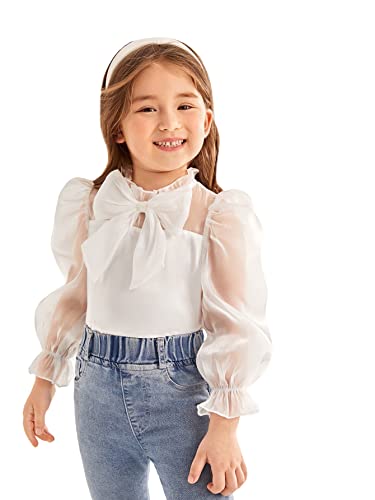
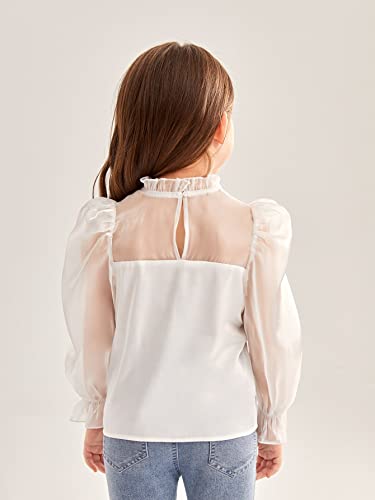
The details can elevate a simple shirt into a statement piece. Look for sleeve options that offer functional versatility, such as buttoned cuffs that can be rolled up for a casual look or elasticized cuffs that allow for a 'puff' sleeve effect. Ruching, pleating, and subtle embroidery are common design elements in this category that add texture and visual interest. If you are choosing a shirt for layering, ensure the sleeves are not so voluminous that they bunch uncomfortably under a cardigan or jacket. A well-chosen sleeve detail can transform a basic white button-down into a sophisticated piece of evening wear.