Material Quality and Wood Density
Not all cedar is created equal. When shopping for boot trees, the primary factor is the grade of the wood used. You are looking for aromatic red cedar that is dense and tightly grained. High-quality cedar provides a more potent natural scent and superior moisture absorption. If the wood feels lightweight or overly porous, it may lose its effectiveness quickly. Dense wood also provides the necessary structural resistance to push back against the leather, helping to smooth out deep creases that form across the vamp (the area where your toes bend). Ensure the cedar is untreated. Chemical coatings can interfere with the wood's ability to 'breathe' and absorb sweat from the interior of your boots.
Shape Retention and Tension Mechanism
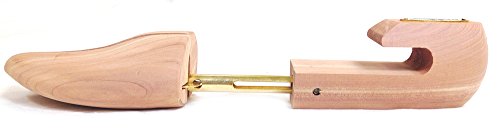
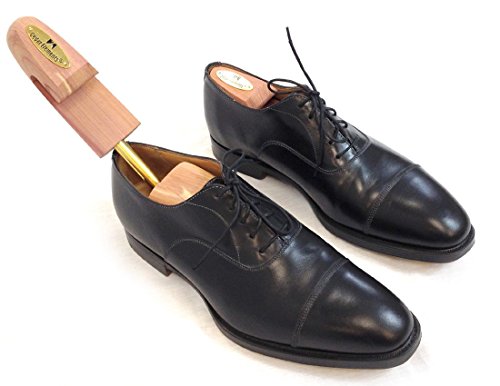
The most critical function of a boot tree is its ability to maintain the boot's silhouette. Look for trees that feature a contoured shape designed to mimic the natural curve of a foot. Some models utilize a spring-loaded mechanism, while others rely on the natural tension of the wood wedge. Spring-loaded trees are excellent for providing consistent, even pressure, which is vital for preventing the leather from collapsing or developing permanent wrinkles. However, for heavy-duty leather, a solid wood wedge design may offer more substantial support. Consider the height of the tree as well. A tree that is too short will fail to support the ankle area, leading to slouching, while one that is too tall may stretch the shaft of the boot excessively.
Sizing and Compatibility
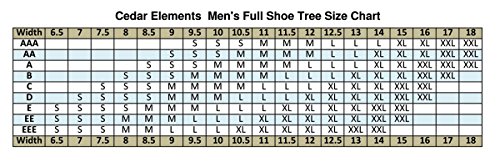
Boot trees are not one-size-fits-all. A common mistake is purchasing standard shoe trees for tall boots. For riding boots or high-top work boots, you need trees specifically designed with extended shafts to support the entire height of the boot. For ankle boots or desert boots, a shorter, more compact tree is more appropriate. When selecting a size, consider the volume of your footwear. A boot with a wide instep requires a tree that can expand sufficiently without being so large that it overstretches the leather. Always check the recommended size ranges to ensure the tension applied is restorative rather than destructive.
Odor Control and Moisture Management
The secondary benefit of cedar is its natural antimicrobial and deodorizing properties. To maximize this, look for trees that have a large surface area of exposed wood. The more wood that comes into contact with the interior of the boot, the more effectively it will pull moisture away from the lining. This is particularly important for boots worn in wet climates or during heavy activity. High-quality cedar trees will maintain their scent for a long period, but you should look for models that allow you to lightly sand the wood if the aroma fades over time, effectively 'reactivating' the cedar's benefits.
Recommendation Logic
When making your final decision, follow this hierarchy: First, prioritize the wood quality (aromatic red cedar is the gold standard). Second, match the tree's height to your specific boot style (shaft height is non-negotiable). Third, choose a tension mechanism that suits your leather type—spring-loaded for delicate leathers and heavy wood wedges for thick, rugged hides. By following these criteria, you move beyond simple storage and into active footwear preservation.