Material Composition and Environmental Resistance
The first decision you must make is selecting the material that matches your operating environment. Bud Industries offers a diverse range of materials, each with distinct physical properties. For indoor, climate-controlled environments, high-impact ABS plastic is often the most cost-effective choice, providing excellent structural integrity without the weight of metal. However, if your project will be exposed to direct sunlight or high UV indices, you should prioritize polycarbonate or specialized UV-stabilized polymers to prevent brittleness and discoloration over time.
For industrial applications where chemical exposure or extreme temperature fluctuations are a factor, stainless steel or aluminum enclosures are the gold standard. These metallic options provide superior electromagnetic interference (EMI) shielding and much higher thermal conductivity, which is vital if your internal components generate significant heat. Always match the material to the 'threat profile' of your installation site.
Ingress Protection (IP) and NEMA Ratings
One of the most critical technical specifications to evaluate is the Ingress Protection (IP) rating. If your box is intended for outdoor use, marine environments, or wash-down industrial zones, a standard non-sealed box will lead to immediate component failure. Look for enclosures with high IP ratings (such as IP65, IP66, or IP67), which indicate protection against dust ingress and high-pressure water jets or temporary immersion.
In North American industrial contexts, you will also encounter NEMA ratings. A NEMA 4 or 4X rated box is essential for protecting against windblown dust, rain, and hose-directed water, with the 'X' suffix denoting additional corrosion resistance. If your enclosure needs to be airtight to prevent humidity from corroding delicate traces, ensure the gasket material (often silicone or neoprene) is compatible with your specific temperature range.
Thermal Management and Ventilation
A common mistake in enclosure selection is forgetting that electronics generate heat. A perfectly sealed, airtight box can act like an oven, leading to thermal throttling or catastrophic component failure. When selecting a box, consider whether you need integrated ventilation louvers or if the design allows for the mounting of external cooling fans.
If you opt for a vented enclosure, you must weigh the benefit of airflow against the risk of ingress. Vented boxes are excellent for indoor use where dust is minimal, but they compromise the IP rating. For sealed applications that still require cooling, you may need to look at enclosures designed to accommodate heat sinks or specialized thermal interface materials that bridge the gap between the component and the enclosure wall.
Mounting Versatility and Customization Potential
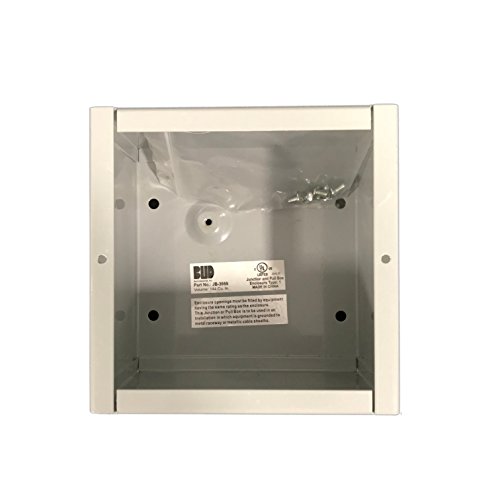
Finally, consider how the box will be integrated into your larger system. Some Bud Industries designs feature pre-drilled mounting holes or integrated standoffs, which significantly simplify the assembly of internal PCBs. Look for enclosures with sufficient 'wall thickness' if you plan on tapping threads for custom hardware or drilling your own cable glands. If your project requires a user interface, ensure the enclosure material is easy to modify—polycarbonate is generally easier to drill and cut without cracking compared to more rigid, brittle plastics.