Understanding Pull Styles and Proportions
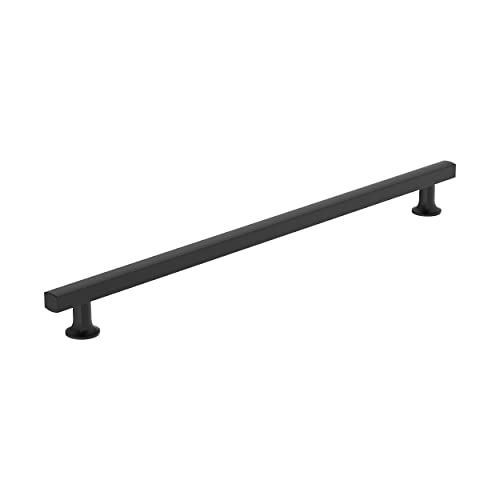
The first decision you will face is the silhouette of the pull. Amerock offers a wide spectrum of styles, ranging from slim, architectural bar pulls to more ornate, decorative cup pulls and bin pulls. For contemporary or transitional kitchens, bar pulls are the standard. They offer clean lines and a sense of continuity. If you are working with Shaker-style cabinets, a slightly more substantial pull can provide a nice contrast to the simple recessed panels. For traditional or cottage-style cabinetry, consider bin pulls (also known as cup pulls), which add a sense of history and weight to the drawers. When choosing, pay close attention to the scale. A pull that is too small for a large drawer will look lost, while a pull that is too large for a small vanity cabinet can overwhelm the piece. A good rule of thumb is to ensure the pull covers at least one-third of the drawer width for a balanced appearance.
Materiality and Finish Longevity
Amerock is recognized for its diverse range of finishes, which are critical for setting the tone of your room. Beyond the standard polished chrome or brushed nickel, you will encounter trending finishes like matte black, champagne bronze, and antique brass. When selecting a finish, consider the existing metals in your space—such as your faucet, light fixtures, and appliances. You don't need a perfect match, but you should aim for a cohesive 'metal story.' From a practical standpoint, consider the environment. In high-moisture areas like bathrooms or near a kitchen sink, finishes that are treated for corrosion resistance are essential. Matte finishes are excellent at hiding fingerprints and water spots, making them a practical choice for high-traffic households with children.
Ergonomics and Installation Nuances
A pull is a functional tool, not just a decoration. You must consider the 'grip feel.' Some slim bar pulls can be difficult to grasp if your hands are wet or if you have limited dexterity. Look for pulls with a sufficient 'projection'—the distance the handle extends from the cabinet face—to ensure your fingers can comfortably wrap around the hardware. Additionally, pay attention to the center-to-center measurement (the distance between the two screw holes). If you are replacing existing hardware, matching this measurement is vital to avoid drilling new holes in your cabinetry. If you are starting a new project, you have the freedom to choose any spacing, but standard increments like 3 inches, 3.75 inches, or 5 inches are most common and easiest to source matching pieces for.
Matching the Hardware to Cabinet Construction
The construction of your cabinet doors should dictate the 'visual weight' of your pulls. Flat-panel, slab doors benefit from lightweight, streamlined pulls that don't disrupt the smooth surface. In contrast, raised-panel doors or heavily textured wood grains can handle more substantial, heavy-duty pulls that stand out against the detail. If your cabinets are painted, consider how the finish of the pull will interact with the color. For example, a dark bronze pull provides a stunning high-contrast look against white cabinetry, whereas a brushed gold pull creates a softer, more integrated feel with cream or navy tones.