Understanding Scale and Proportion
The most common mistake in hardware selection is choosing a pull that is visually overwhelmed by the cabinet door. Proportion is everything. For large pantry doors or wide drawers, you need longer pulls—often exceeding five or six inches in length—to maintain visual balance. Conversely, small vanity drawers or upper cabinet doors look cluttered if the hardware is too massive. A good rule of thumb is to ensure the pull occupies roughly one-third to one-half of the drawer width for a balanced, intentional look. If you are working with modern, minimalist cabinetry, slimmer, more linear pulls often work best, whereas traditional shaker-style cabinets can handle more substantial, heavier-looking hardware.
Material Composition and Finish Longevity
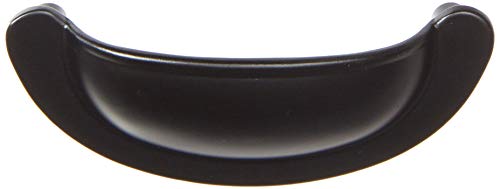
Not all metal hardware is created equal. When selecting pulls, pay close attention to the base material. Solid brass or zinc alloys tend to offer a more substantial weight and feel in the hand compared to hollow aluminum or plastic-core alternatives. The weight of a pull is a subtle but critical indicator of quality. A heavy pull feels premium and suggests it won't bend or warp over time. Furthermore, consider the finish. If your home is in a high-moisture environment like a bathroom, look for finishes that are specifically treated to resist tarnishing and corrosion. Matte black is currently a massive trend, but it requires a high-quality coating to prevent fingerprints and oil transfer from skin. Brushed nickel and satin finishes are excellent for hiding smudges, making them ideal for high-traffic kitchens.
Ergonomics and Grip Factor
Hardware is a functional tool before it is a decorative element. You must consider how the pull will actually feel when you are pulling open a heavy drawer filled with cookware. Avoid pulls that are too shallow. If your fingers cannot fit comfortably behind the handle, you will end up pulling from the top edge of the drawer, which can damage the cabinetry over time. Look for 'clearance'—the space between the cabinet face and the underside of the pull. A clearance of at least 1.25 inches is generally recommended to ensure comfortable finger placement without scraping your knuckles.
Installation and Center-to-Center Measurements
Before finalizing your purchase, you must verify your existing hole spacing. Most pulls are sold based on their 'center-to-center' measurement—the distance from the center of one screw hole to the center of the other. If you are replacing old hardware, measuring this distance precisely is mandatory to avoid drilling new holes in your cabinetry. If you are designing new cabinets, you have more freedom, but staying within standard increments (such as 3 inches, 96mm, or 128mm) can make future replacements much easier. Always check if the hardware includes matching mounting screws, as using mismatched screws can ruin the aesthetic and structural integrity of the installation.