Understand Your Driving Environment
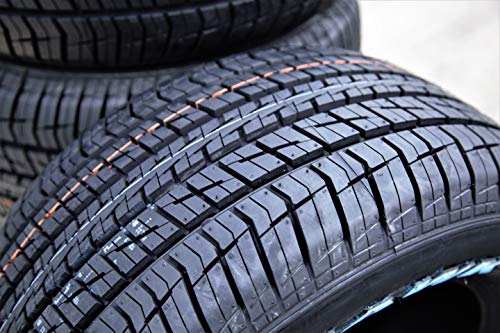
The first step in selecting Firestone tires is categorizing your primary driving conditions. Firestone offers distinct tread architectures designed for specific climates. If you reside in a region with heavy rainfall or frequent puddles, you should prioritize tires with deep longitudinal grooves designed for hydroplaning resistance. For those in northern climates, a dedicated winter tire with high silica content is essential to maintain grip in freezing temperatures. Conversely, if your driving is primarily high-speed highway cruising, you will benefit from tires engineered for low rolling resistance, which helps improve fuel efficiency and reduces road noise.
Matching Tire Type to Vehicle Use
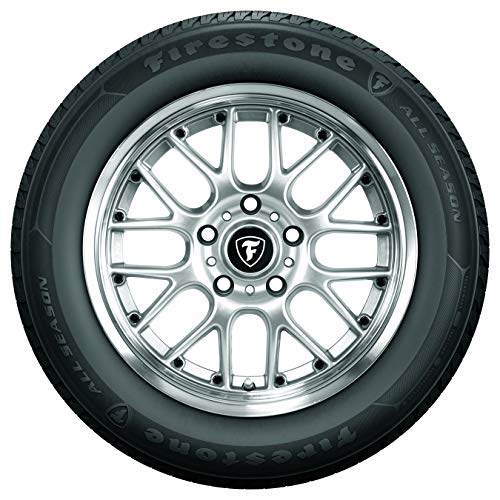
Not all tires are created equal, and the utility of your vehicle dictates your choice. For standard sedans and compact cars, focus on touring tires. These are designed for a smooth, quiet ride and long-lasting tread life. If you drive an SUV or a light truck, you will need to decide between All-Season and All-Terrain options. All-Season tires provide a versatile middle ground for most drivers, offering decent traction in light snow and dry summer heat. However, if your lifestyle involves gravel roads or light trail driving, an All-Terrain tire offers reinforced sidewalls and more aggressive tread blocks to prevent punctures and improve grip on loose surfaces.
When browsing Firestone options, you will encounter a trade-off between longevity and performance. This is often reflected in the treadwear rating. A tire designed for maximum grip—such as those intended for performance driving—often uses softer rubber compounds that provide exceptional cornering stability but wear down more quickly. If you are a high-mileage commuter, look for tires with a higher treadwear rating, which indicates a harder compound designed to withstand hundreds of thousands of miles. Balancing these two factors is the key to a smart purchase: aim for the highest grip rating that still meets your expected annual mileage requirements.
Before making a final decision, you must ensure the tire fits your vehicle's specifications. Check your driver-side door jamb or your current tire sidewall for the service size. Beyond size, pay attention to the load index and speed rating. The load index ensures the tire can safely support the weight of your vehicle, while the speed rating indicates the maximum speed the tire can safely maintain. For heavier SUVs, ensuring the load index is sufficient is a non-negotiable safety requirement. Always verify that the seasonal designation (M+S for Mud and Snow or the Three-Peak Mountain Snowflake symbol) aligns with your local weather patterns.
Recommendation Logic
To simplify your decision, follow this logic: If your priority is comfort and quietness for daily commuting, select a Firestone touring tire. If you need a 'do-it-all' tire for mixed weather and varying road surfaces, go with an All-Season model. If you frequently encounter unpaved roads or heavy snow, invest in an All-Terrain or dedicated winter tire. By prioritizing your environment and vehicle type over price alone, you ensure a safer and more efficient driving experience.