Material Composition and Durability
The most critical factor in choosing a Coverking product is the textile technology used. You aren't just buying 'fabric'. You are choosing between breathability, water resistance, and abrasion resistance. For high-traffic vehicles, such as taxis or delivery vans, look for heavy-duty synthetic blends that offer high denier counts. These materials can withstand the constant friction of sliding in and out of the seat without fraying. If your primary concern is luxury preservation, opt for materials that mimic the texture of the original upholstery to prevent 'sliding'—a common issue with cheap, slick covers that can actually cause premature wear on the underlying leather due to micro-movements.
Fitment: Universal vs. Custom-Contoured
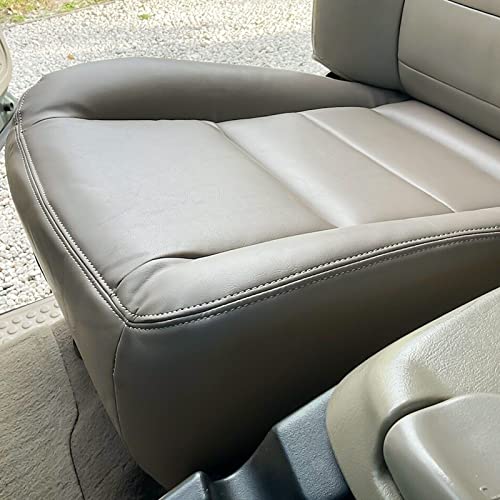
One of the biggest mistakes consumers make is opting for universal covers to save money, only to find they bunch up in the footwells or obscure side-impact airbag deployment points. Coverking is renowned for its custom-fit options. A custom-contoured cover is laser-measured to the specific geometry of your vehicle's seats. This ensures that the cover stays taut, preventing fabric folds that can trap moisture or debris against the original seat material. If you are choosing a custom option, pay close attention to the headrest integration and the seat-belt buckle access. A well-fitted cover should feel like an extension of the seat, not a loose blanket draped over it.
Protection Profiles: UV, Liquid, and Abrasion
Before purchasing, define your primary threat. If you park outdoors frequently, your main enemy is UV radiation, which causes fading and cracking. In this case, prioritize covers with high UV-reflectance ratings. If you deal with frequent spills—common in family vehicles or food delivery services—you need a waterproof or water-resistant membrane. However, be cautious: a purely waterproof cover that lacks breathability can trap condensation between the cover and the seat, potentially leading to mold or mildew. Look for 'breathable waterproof' technologies that allow moisture vapor to escape while blocking liquid ingress.
Feature Set and Ease of Installation
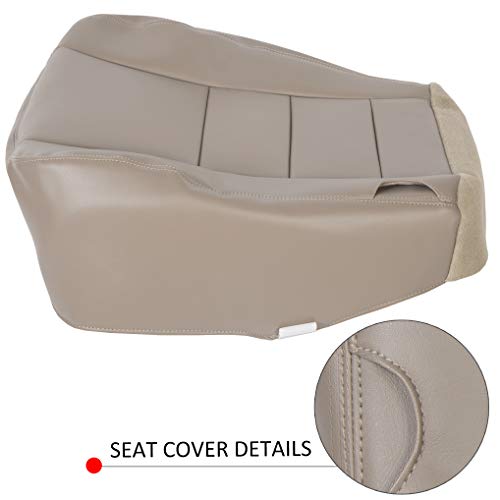
Modern covers often come with functional upgrades that enhance the driving experience. Consider features like non-slip backing, which uses silicone or specialized textures to keep the cover anchored during sharp turns. Additionally, look for integrated pockets for organization or reinforced stitching at high-stress points like the bolster edges. Installation ease is also a factor. Some heavy-duty covers require significant effort to tension, while others utilize elasticized edges for quick application. If you plan on frequently removing the covers for deep cleaning, prioritize designs with easy-release straps or hook-and-loop closures.
Recommendation Logic
To make your final decision, use this logic: If you are a professional driver, prioritize high-denier, abrasion-resistant synthetics with easy-clean properties. If you are a luxury owner, prioritize custom-fit, breathable fabrics that protect against UV without compromising the seat's ergonomics. If you are a parent, prioritize liquid-resistant layers with non-slip technology to manage the chaos of spills and movement.